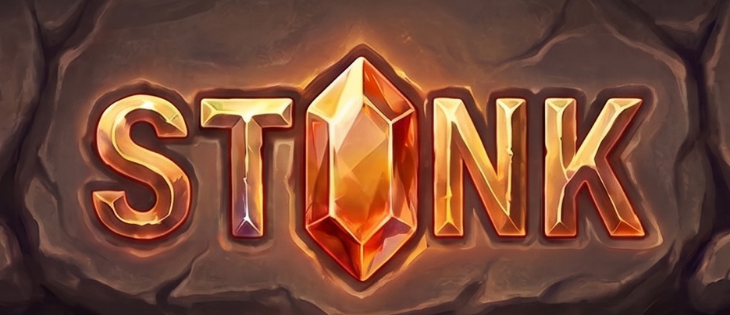
Stonk
An offline mobile puzzle game combining color matching, Tetris-shaped pieces and chain reactions.
- View WebsiteComing Soon
- Role
- Game concept, mechanic design, level system, visual direction, interface decisions, testing and project management
- Date
- July–August 2026
- Year
- 2026
- Category
- Digital Products
- Project Type
- Working Prototype
- Tools
- Unity, Claude, Canva, Nano Banana
Note: The product idea, rules, mechanics, visual direction and testing decisions are the author's own. Claude supported code generation during Unity development.
00
Overview
Stonk is an offline mobile puzzle game combining Tetris-shaped pieces with color matching and chain reactions. Each piece contains four blocks, but instead of using one color, its blocks are drawn from different mineral colors. Players place pieces on an 8×12 grid, and groups of at least three adjacent blocks of the same color break. The remaining blocks fall through gravity, creating the possibility of new matches and chain reactions. The game is designed for short, engaging sessions without requiring an internet connection. Endless Mode focuses on reaching a higher score, while Level Mode introduces changing goals, obstacles and mechanics.
01
The starting point
Place, match and build the chain — the player begins with an empty grid and three random pieces displayed at the bottom of the screen. Pieces are dragged onto the grid and can be rotated clockwise in 90-degree steps. Once used, they are replaced by three new pieces, while the next set remains unknown. When three or more blocks of the same color connect, they break and award points. New matches formed after gravity are cleared automatically, increasing the chain multiplier. The game ends when the grid reaches the top or none of the available pieces can be placed.
02
Approach & strategy
Familiar shapes, a different color logic — the game uses the seven familiar Tetris shapes: I, O, T, L, J, S and Z. Each piece contains four blocks, with at least two or three different colors within the same piece. As no piece contains more than two blocks of one color, players cannot place a ready-made match and must consider how each shape connects with colors already on the grid.
03
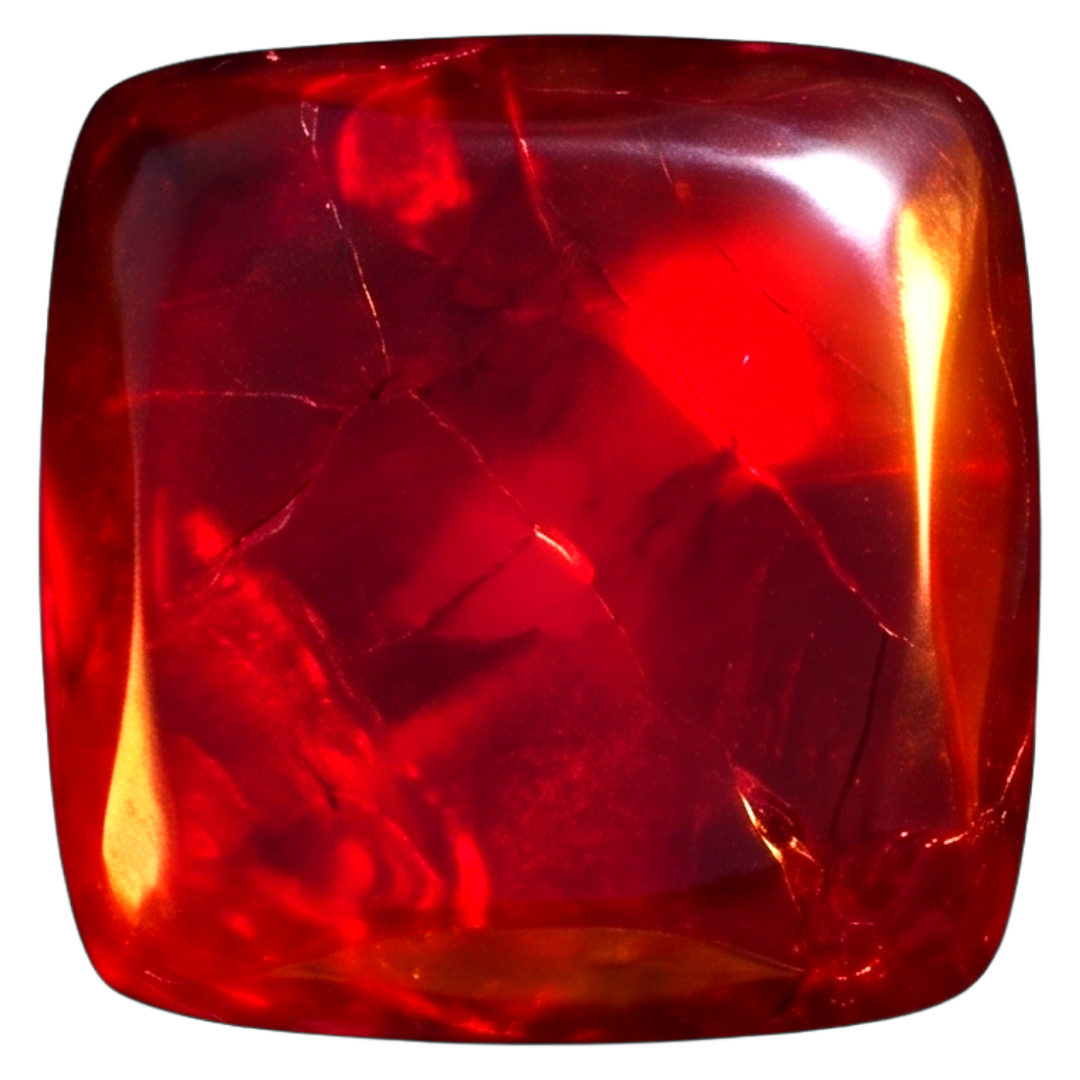
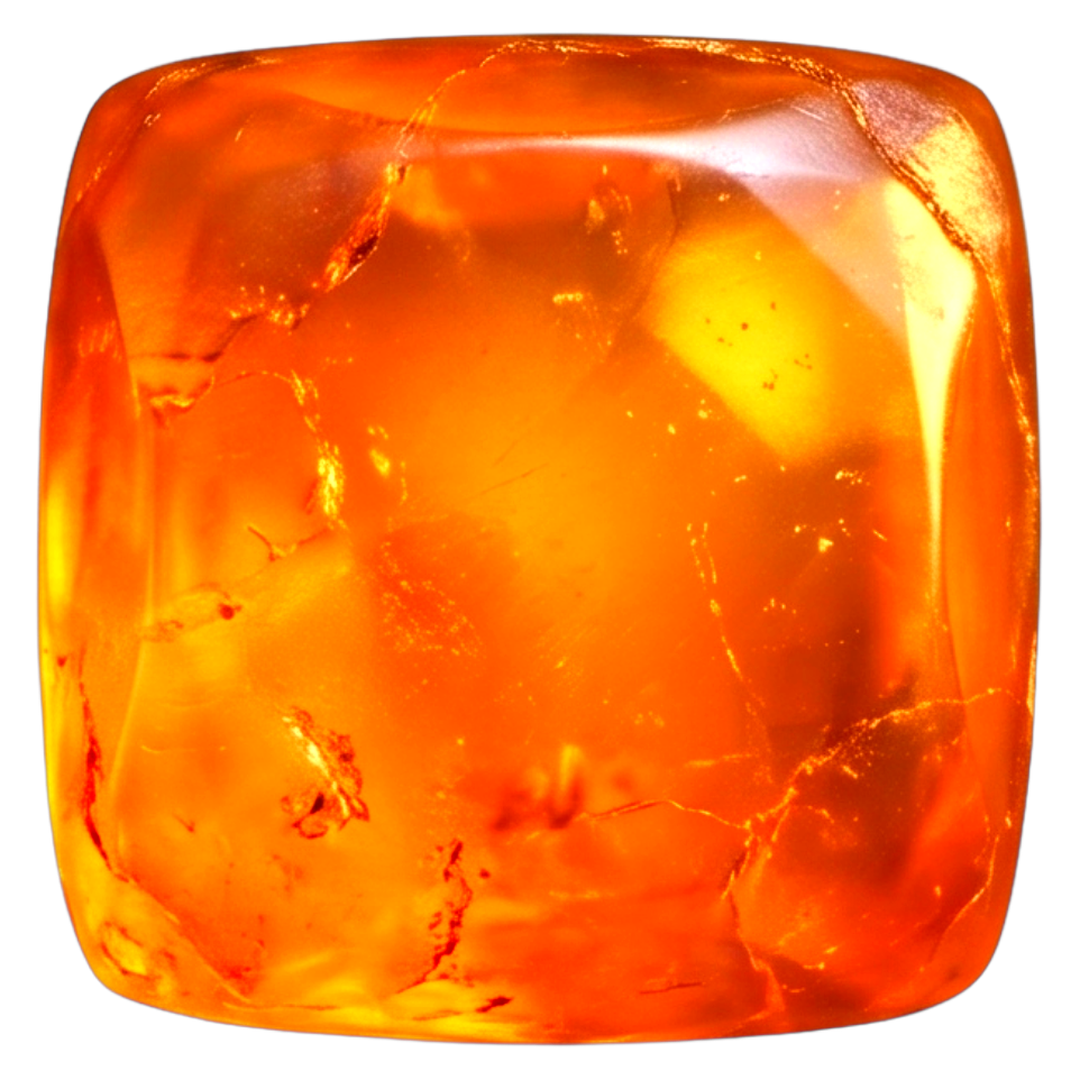
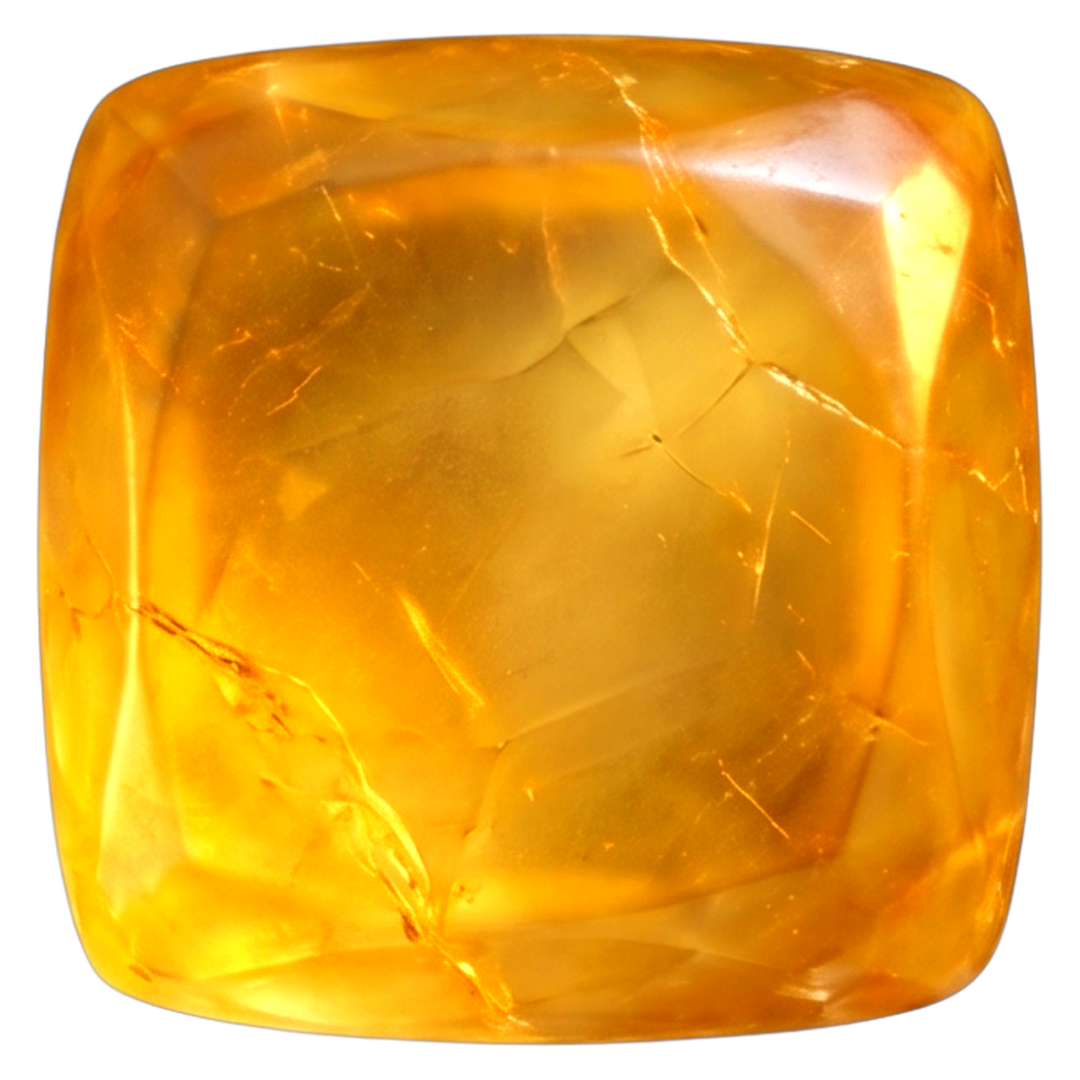
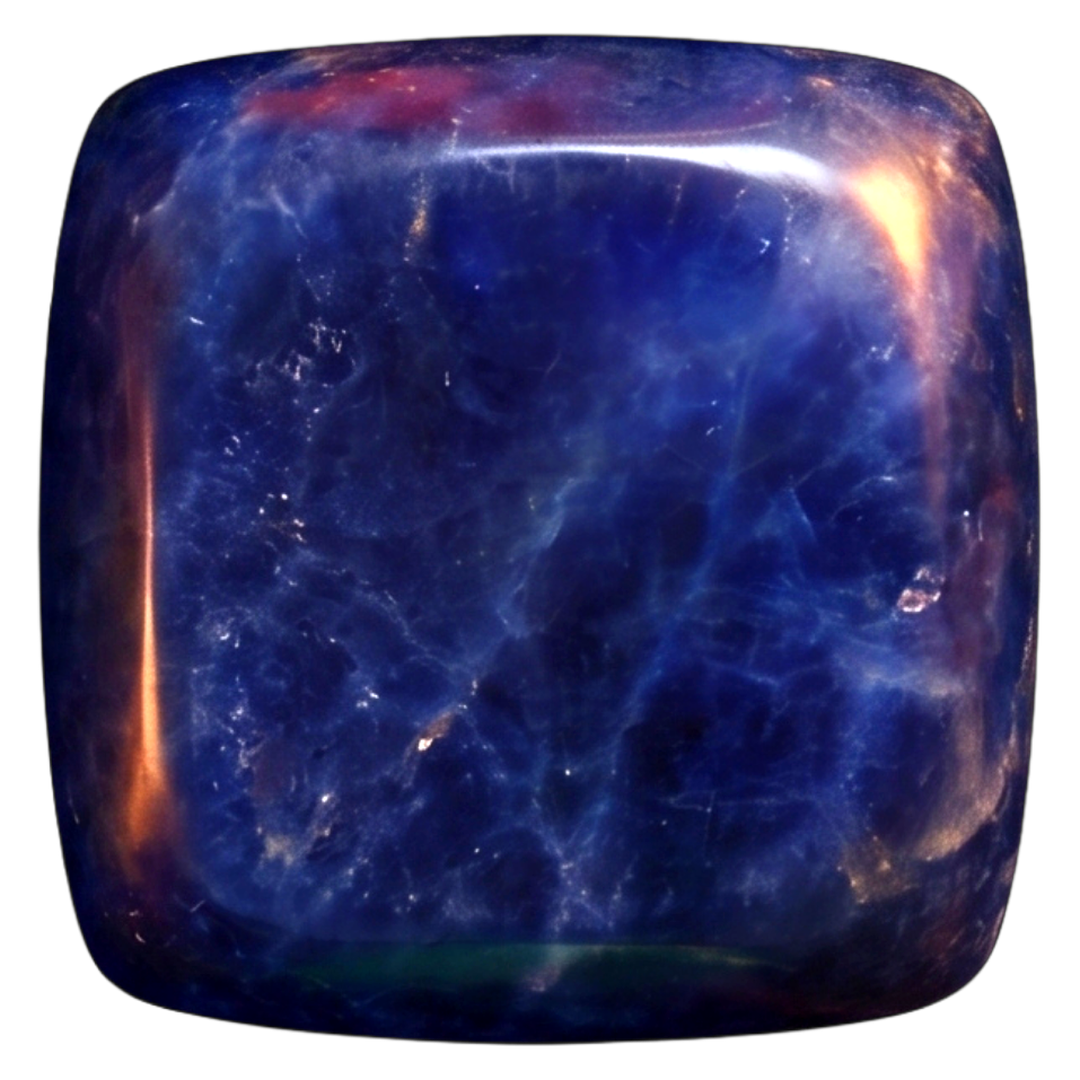
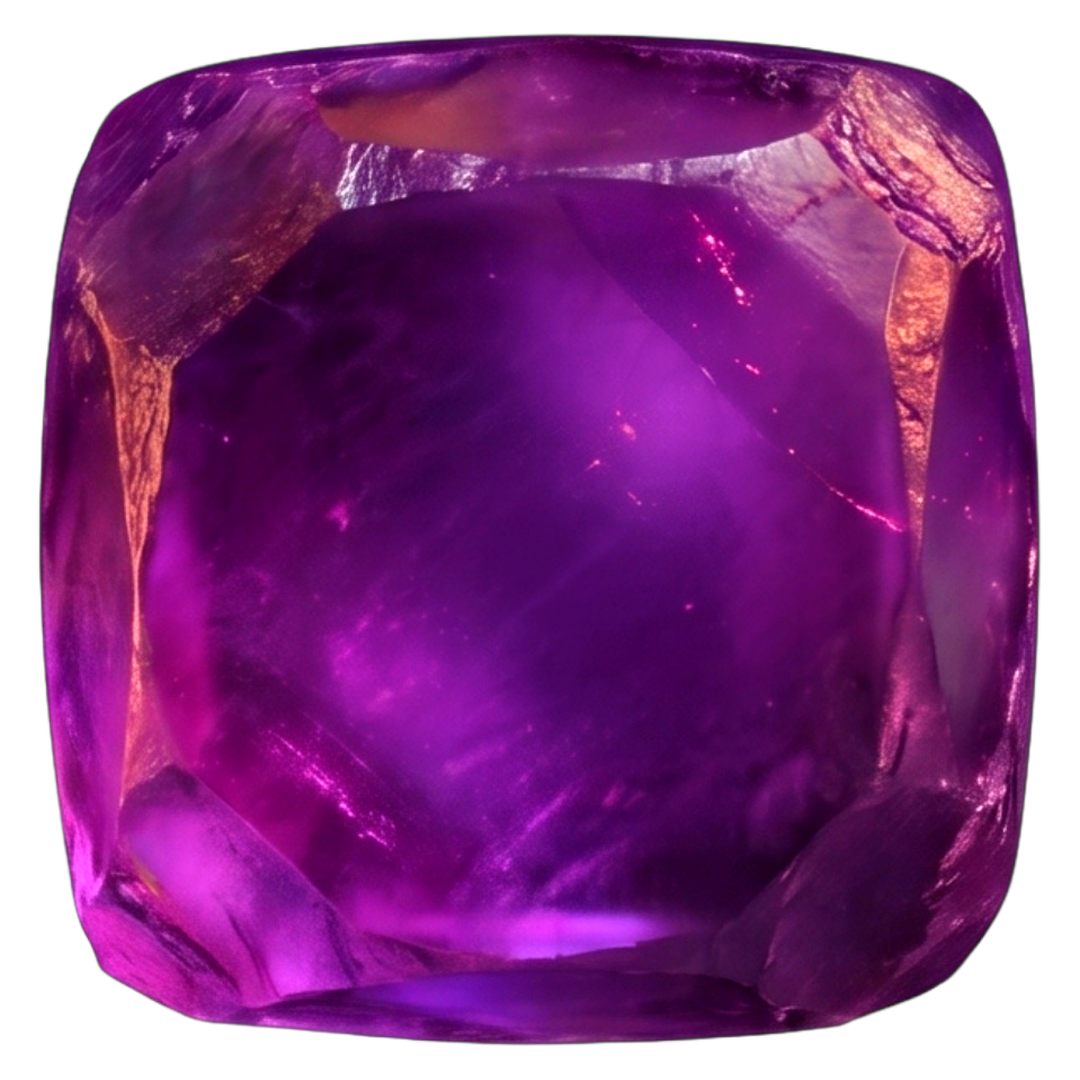
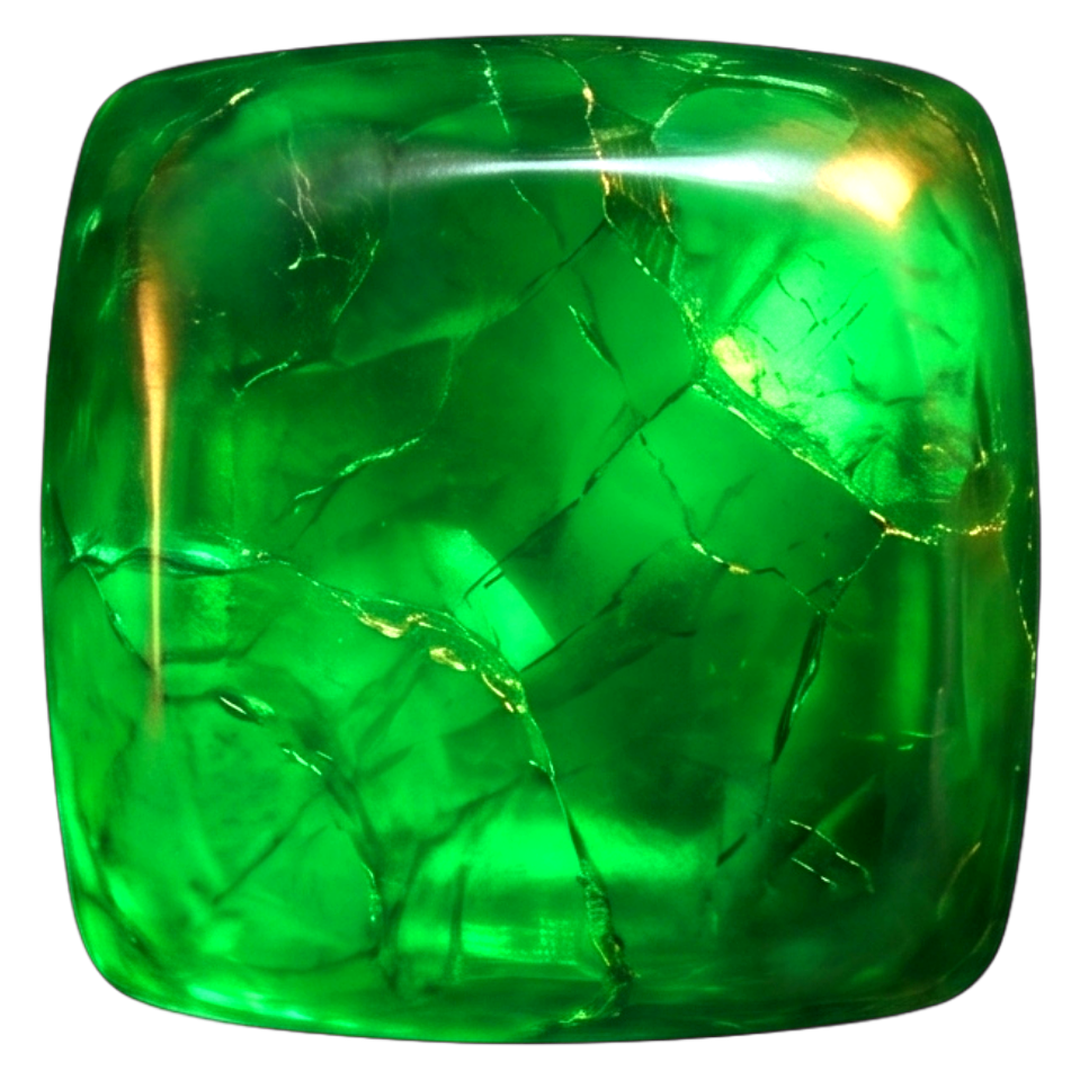
Six minerals
The block colors are defined through six mineral names. These names represent the game's visual identity, not separate powers.
04
Two ways to play
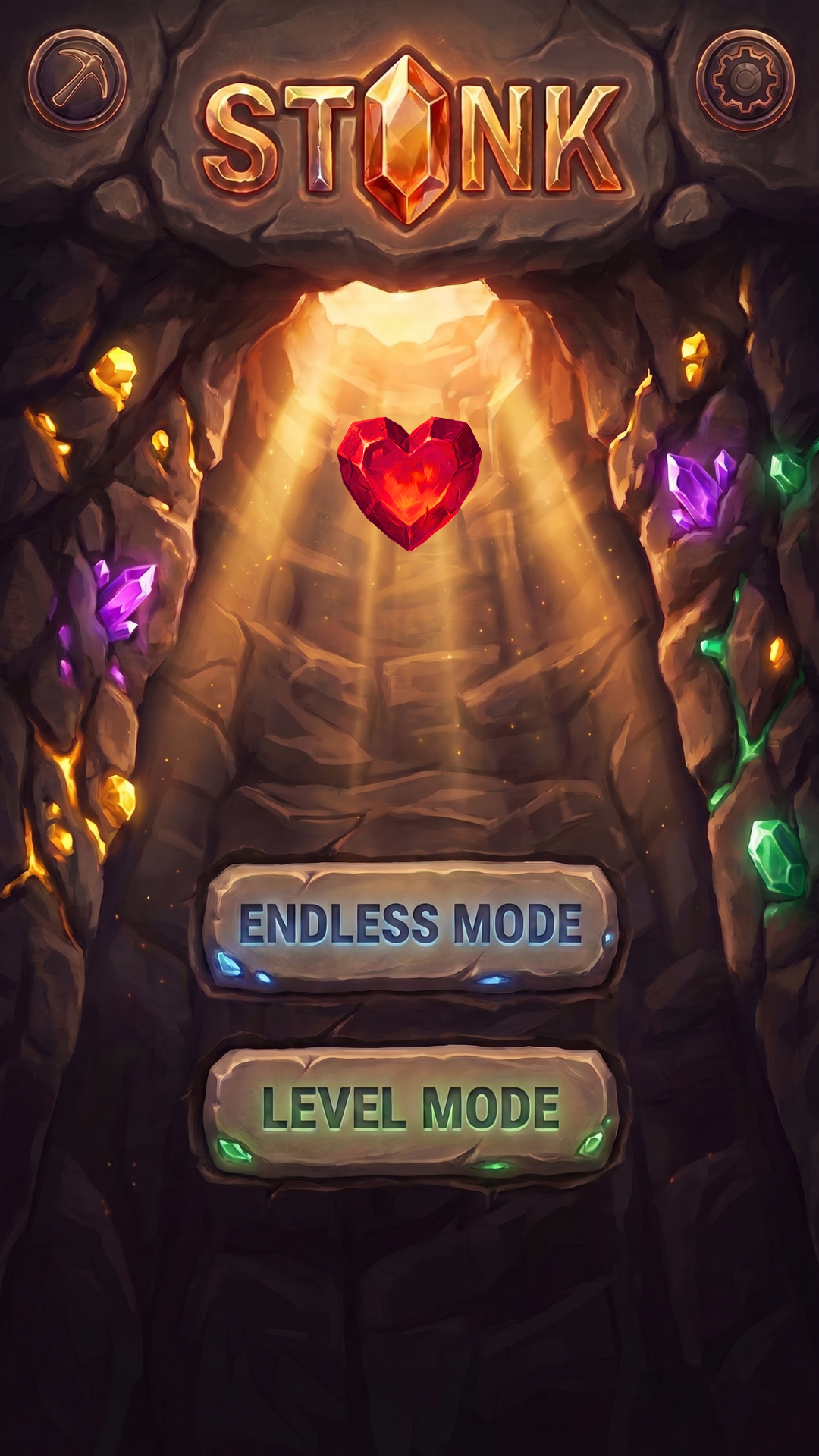
Endless Mode has no fixed level boundary. Players continue until the grid fills and aim for the highest possible score. Chain reactions and larger matches increase the score, while selected score thresholds are designed to support future power-up rewards. Level Mode, by contrast, gives each level a defined goal, such as reaching a score, clearing blocks of a specific color or completing the task before time runs out. The level system supports changing grid sizes, active color counts, obstacles and multiple mechanics within the same stage.
05
Changing goals and obstacles
Twelve different mechanics were designed for Level Mode. More than one mechanic can be combined within the same level, and boss levels can bring three or four challenges together at once. The core level architecture and mechanic system work in the prototype. Distributing the mechanics across the full level set, balancing difficulty and completing the final visual effects remain part of the development plan.
- Classic Flow
- Target Hunt
- Time Challenge
- Frozen Tiles
- Limited Pieces
- Variable Grid
- Chain Target
- Bomb Tiles
- Mixed Boss
- Rockfall
- Dark Mine
- Cracked Ground
06
Longer chains, higher scores
A basic three-block match awards 10 points. Larger groups provide higher scores, while each new clear formed after gravity increases the chain bonus. Strong matches are reinforced through Nice, Super, Awesome and STONK feedback. A STONK is triggered when at least 12 blocks break within the same chain.
07
Game UI Details
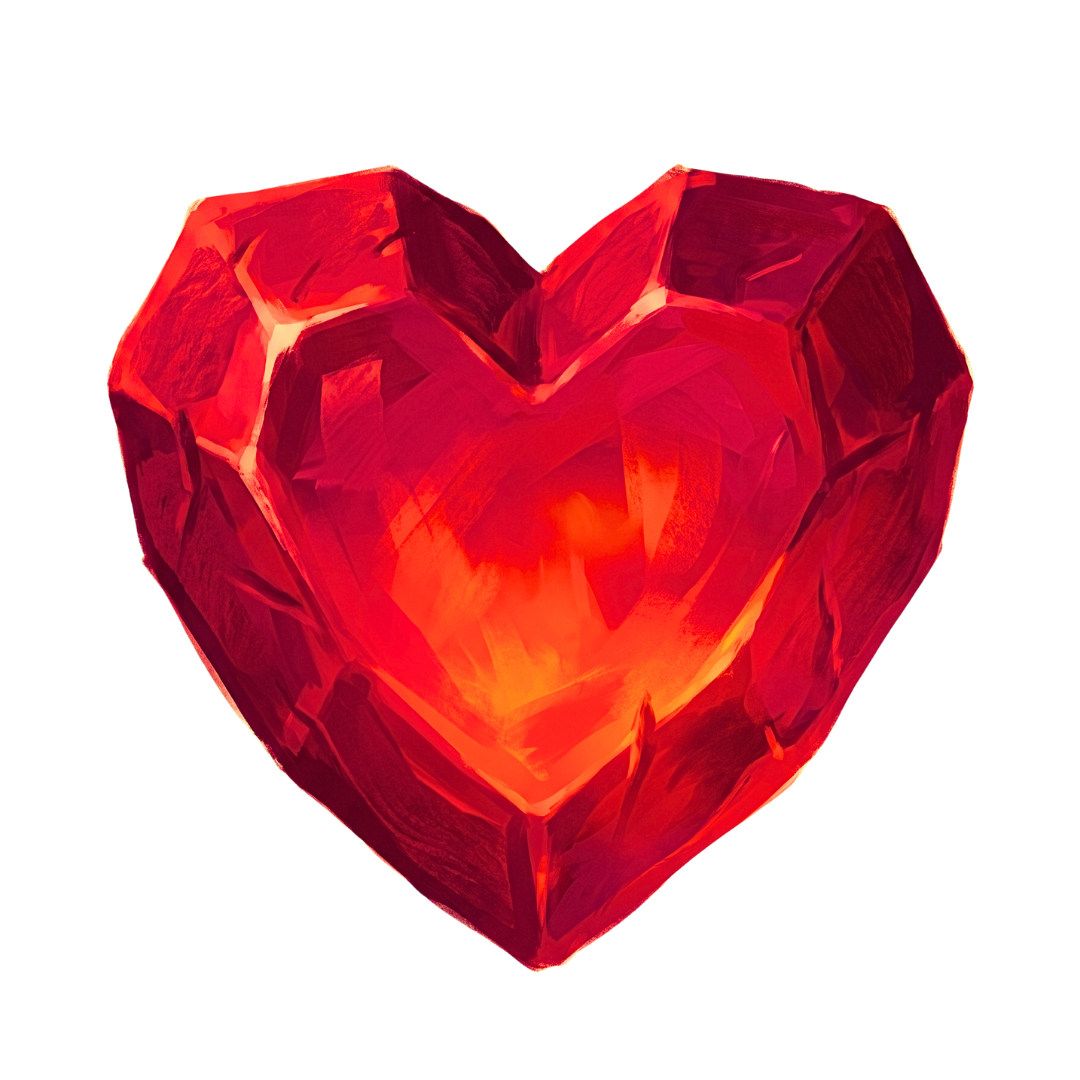
The heart represents the player's lives, while stars reflect how far the level goal has been exceeded. Completing the goal awards one star, reaching 1.5 times the target awards two, and doubling the target awards three. The life system is designed around a maximum of five lives that recover over time.

08
From a working prototype to final visual design
Stonk is currently a working mobile prototype. The core grid, piece placement and rotation, color matching, clearing, gravity, chain scoring, Endless Mode and Level Mode architecture are functional. The main menu, settings, profile, Game Over, Level Complete and initial level-selection screens have also been built. The next stage focuses on visual refinement. Stone textures, breaking animations, the full level map, power-up interfaces and advertising integration are not yet complete. For this reason, the current gameplay scenes are not included in the portfolio.
09
Offline play with planned ad support
The core game is designed to work without an internet connection. The planned revenue model includes banner ads, interstitials and optional rewarded videos. Rewarded ads are intended to support actions such as gaining a life, refreshing pieces, receiving a power-up or continuing after Game Over. AdMob integration has not yet been completed.
10
Production process
- 01
Game concept
I combined Tetris-shaped pieces with color matching and chain reactions instead of traditional line clearing.
- 02
Mechanic design
I defined the grid, color distribution, rotation, gravity, scoring, goals and game-over rules.
- 03
Unity development
With Claude supporting code generation, I implemented the mechanics in Unity and refined product decisions through device testing.
- 04
Level architecture
I created a data-driven structure capable of managing changing grids, goals, timers and mechanic combinations.
- 05
Visual direction
I developed the mineral theme, color catalogue, interface and icons. The final visual design remains in progress.
11
Key decisions
Combining Tetris shapes with color matching
Combining Tetris shapes with color matching.
Using multiple colors within each piece
Using multiple colors within each piece.
Supporting chain reactions through gravity
Supporting chain reactions through gravity.
Building Endless and Level modes on the same core mechanic
Building Endless and Level modes on the same core mechanic.
Keeping the core game playable offline
Keeping the core game playable offline.
Connecting ads to optional advantages rather than required play
Connecting ads to optional advantages rather than required play.
Holding gameplay imagery until the visual design is ready
Holding gameplay imagery until the visual design is ready.
12
Outcome
Stonk developed into a working mobile puzzle prototype with a functional core loop and level architecture. The project required me to think beyond the initial game idea and consider mechanic rules, scoring balance, goal variety, offline use and monetization together. Once the visual design is complete, the game will be prepared for release on iOS and Android.
13
What I learned
This project showed me that building a functioning game mechanic and designing a visually strong game are two separate challenges. Although the rules, chain system and level architecture were working, I chose to pause the project when the visual direction had not reached the standard I wanted. The process taught me to evaluate more clearly which parts of a prototype are genuinely solved and which still require focused design work. Building a data-driven level structure in Unity and testing changes on a real device also gave me a more complete understanding of the game-development process.
Next project
← Previous: Landing Page Collection
An independent Etsy shop project turning varied activity ideas into digital products while maintaining a consistent visual style.