AI Fashion & Motion Campaigns
A series of independent concept studies in which I reinterpreted fashion and beauty imagery with AI and translated selected static campaign ideas into short-form motion.
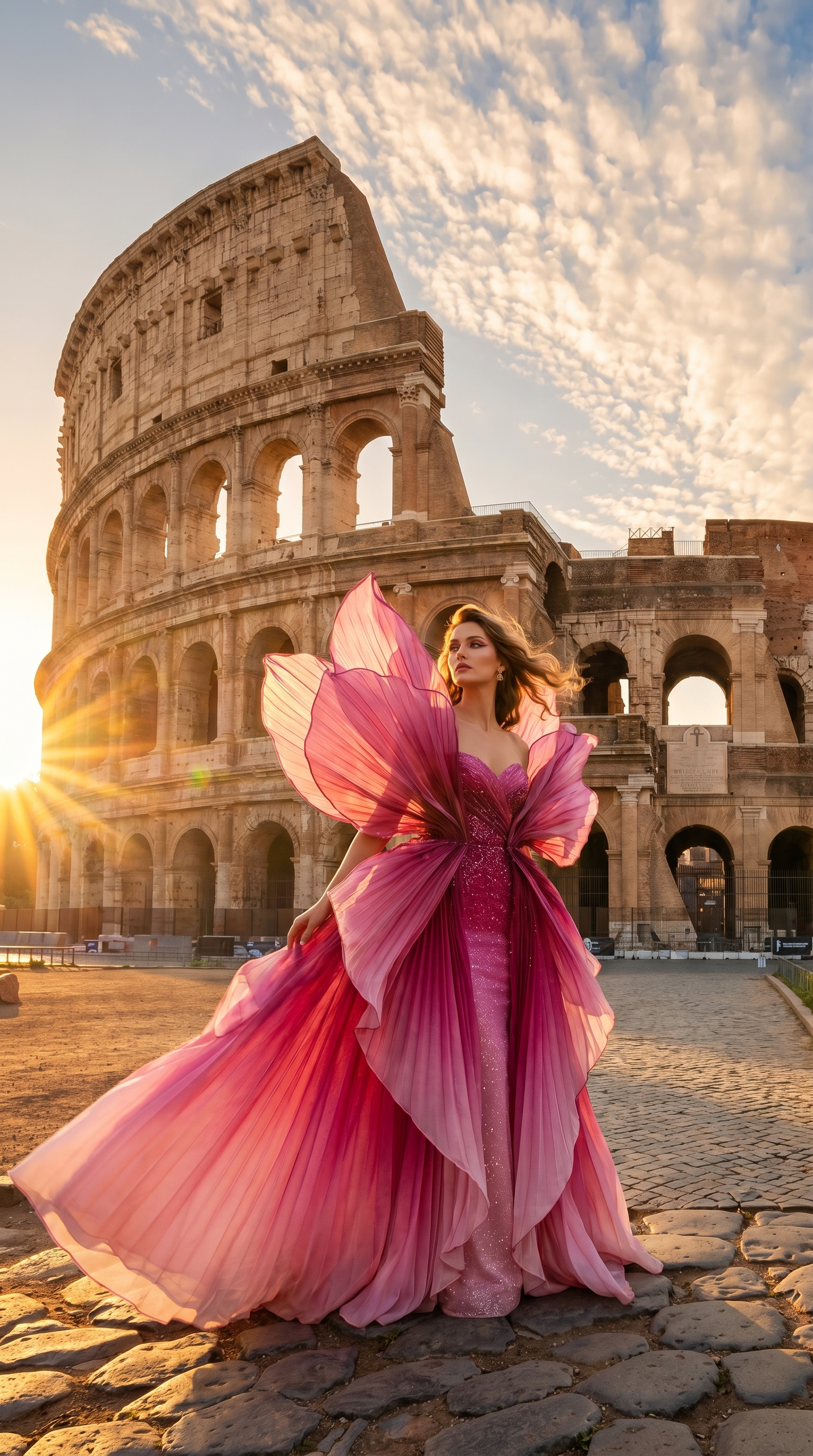
- Role
- Creative direction, visual research, prompt development, image selection, campaign development and motion direction
- Date
- May–June 2026
- Year
- 2026
- Category
- AI Motion
- Project Type
- Independent Concept Series
- Tools
- Nano Banana, Google Veo
Note: These are independent concept studies created with AI-assisted visual production. Any existing products or brand marks appearing in the imagery do not imply an official collaboration, commission or endorsement. Images marked as “Visual reference” in the process sections are third-party references shown only to explain the creative transformation process.
00
Overview
This project brings together a series of independent concept studies exploring fashion and beauty imagery through an AI-assisted production process. I used visual references to develop new campaign images, then translated selected concepts with strong motion potential into short-form videos. The aim was to move beyond isolated outputs and create a series in which still and moving content shared the same creative direction.
01
The starting point
When a still idea begins to move — a single fashion image can suggest a strong idea about light, material, movement and atmosphere. In these studies, I first rebuilt that idea through a new visual composition. I then considered how the fabric, model, camera or product might move and translated selected images into short motion pieces.
02
Approach & strategy
The process began with visual research and direction setting. I analyzed references through composition, light, color and movement and used those observations as a starting point for new imagery. I developed the still outputs with Nano Banana, then used Google Veo to create short videos by defining camera movement, product behavior and the pace of each scene.
03
Study 01 · Fabric in Motion
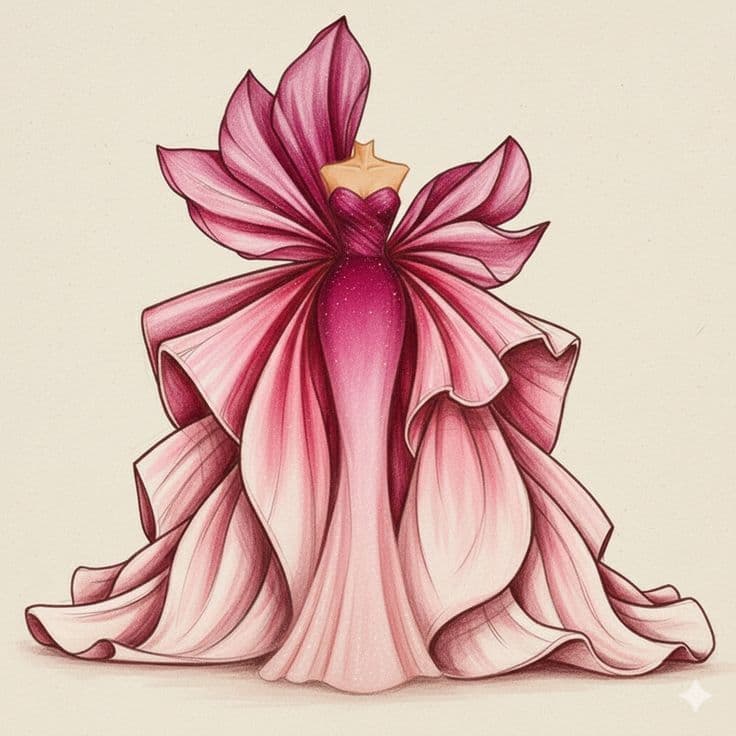
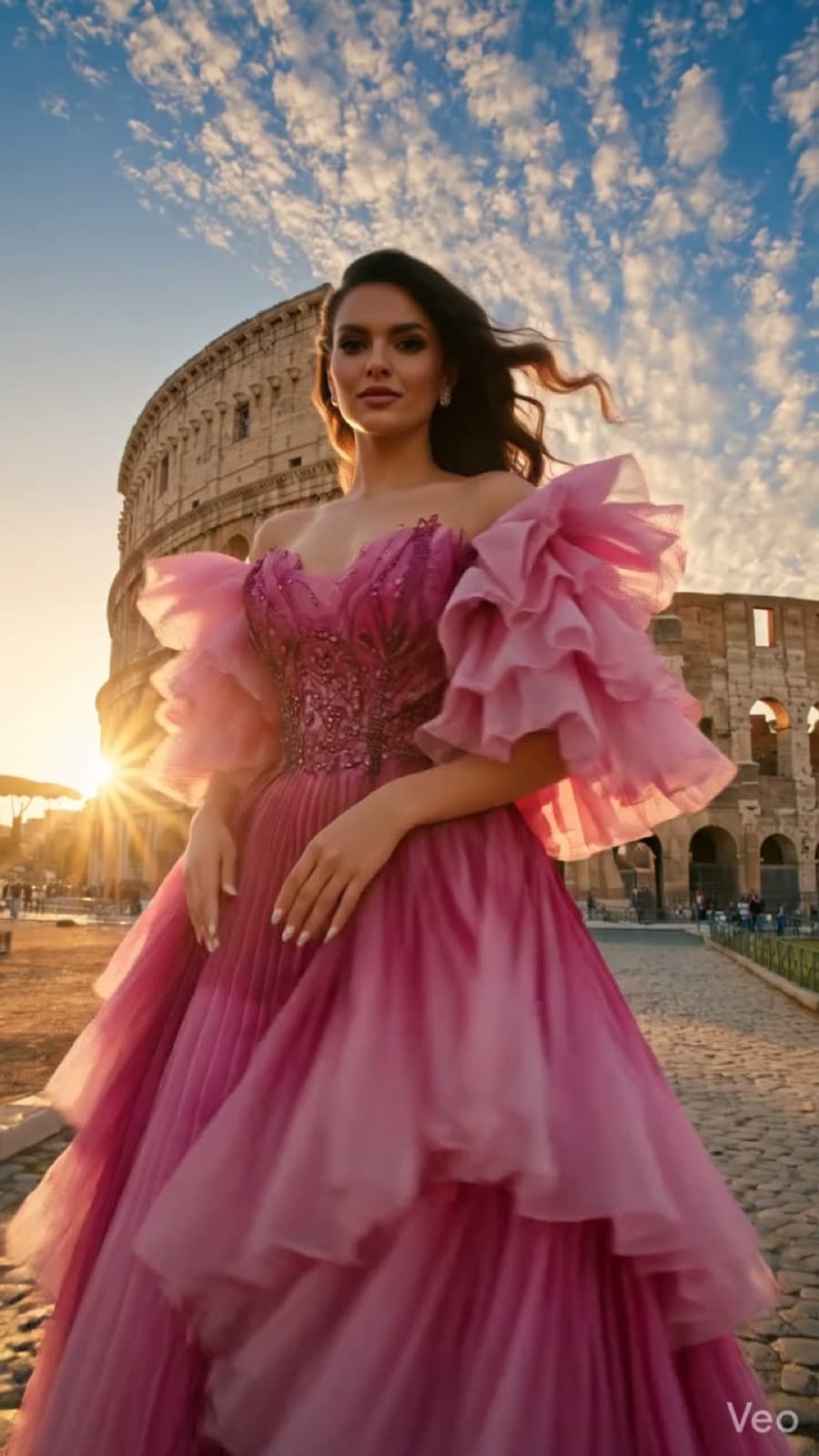
I rebuilt a layered tulle gown against a historic backdrop in sunset light. The motion piece brings out how the fabric catches the wind.
04
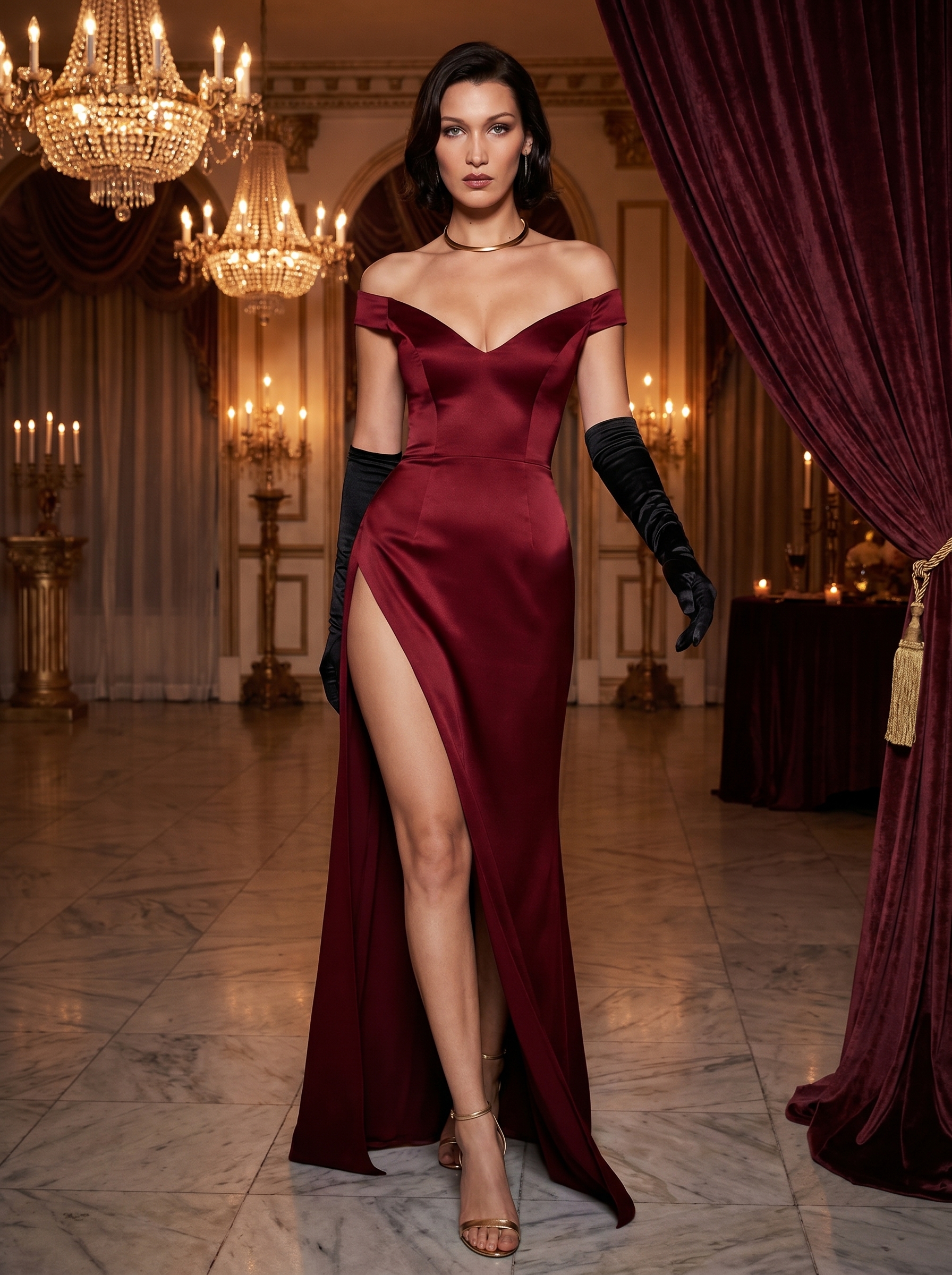
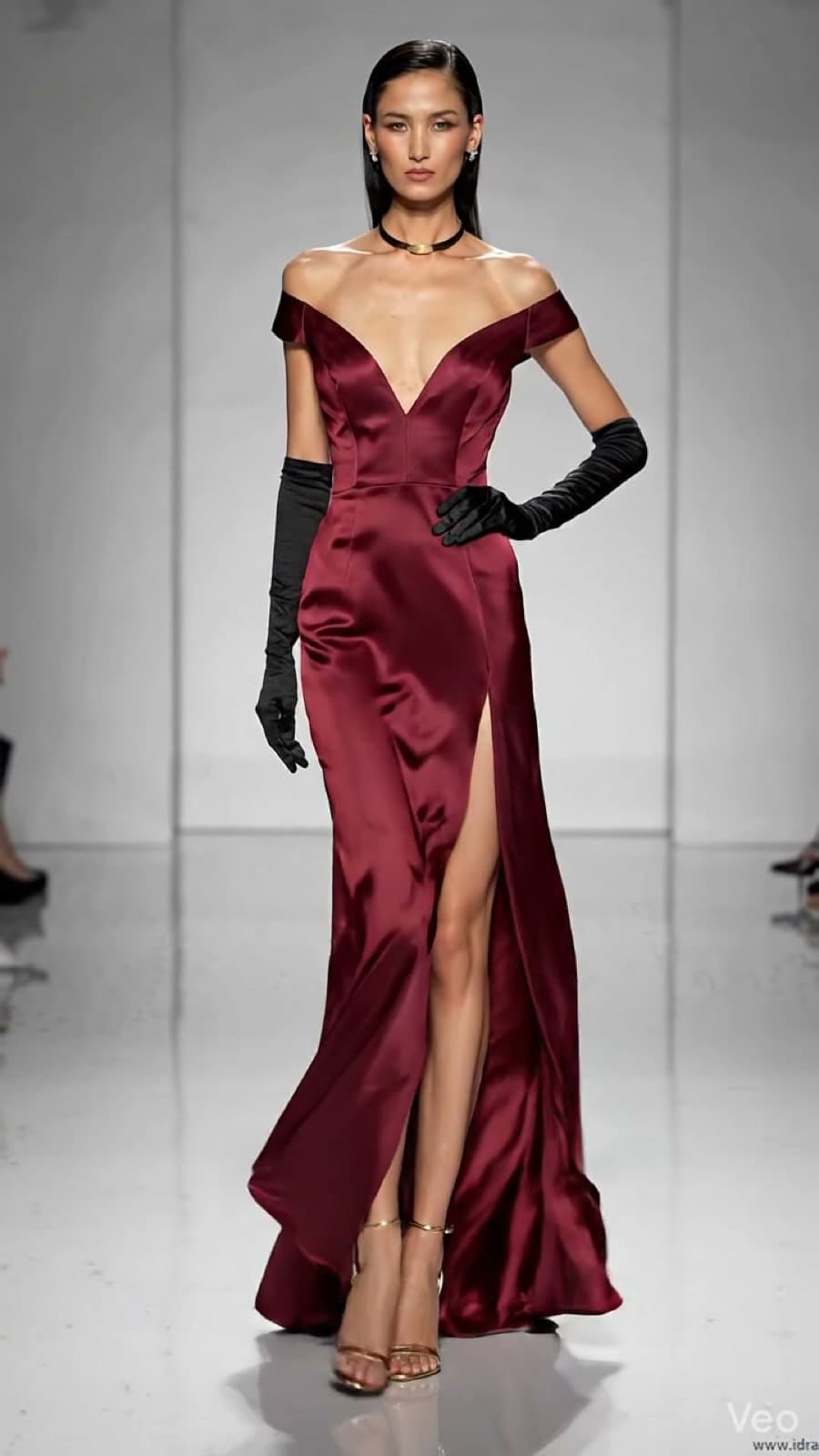
Study 02 · Editorial Frame
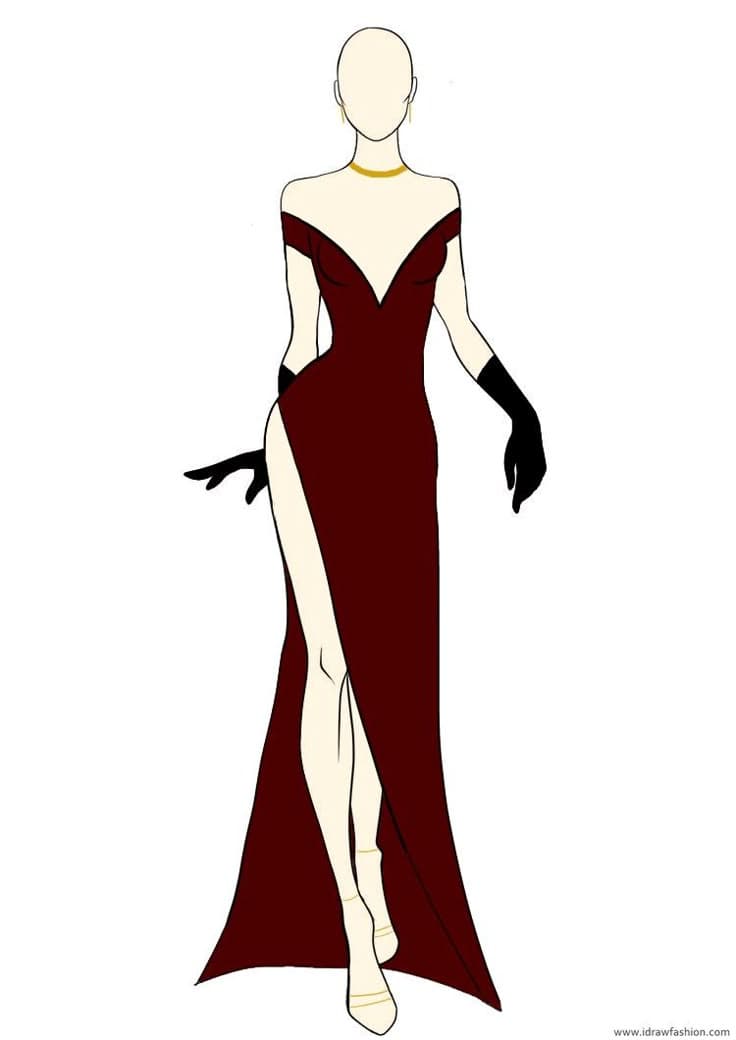
I reimagined a satin gown within a richly lit interior composition. The motion version foregrounds the fabric's sheen and the atmosphere of the scene.
05
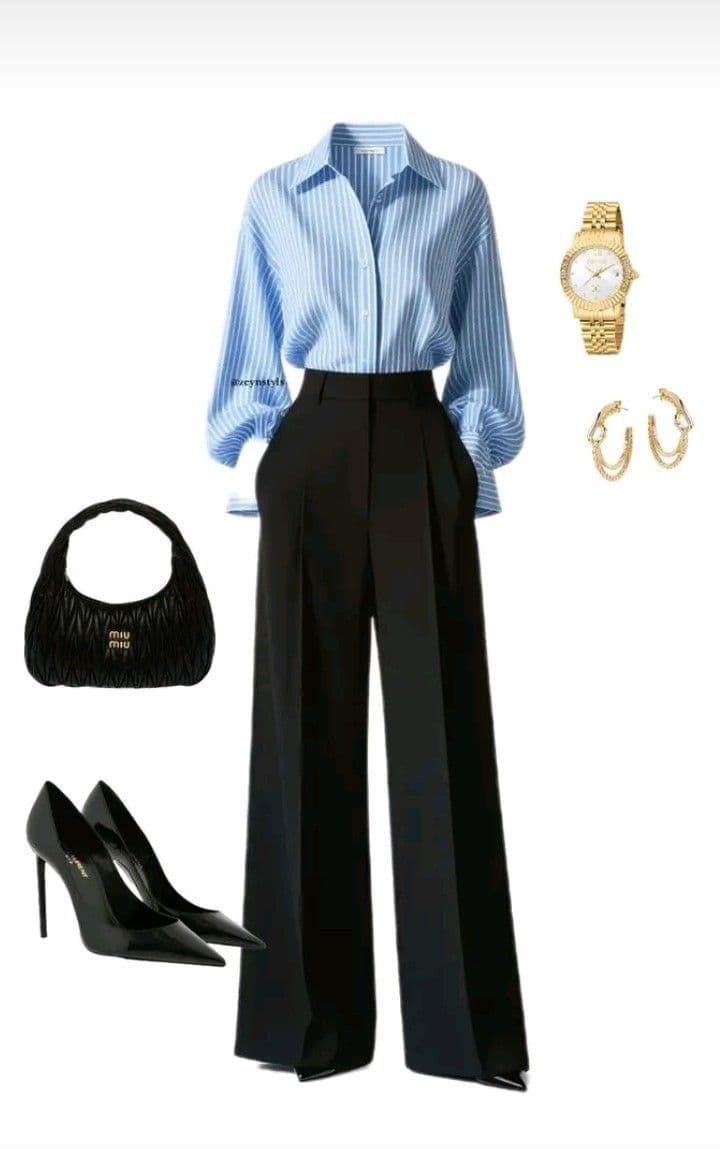
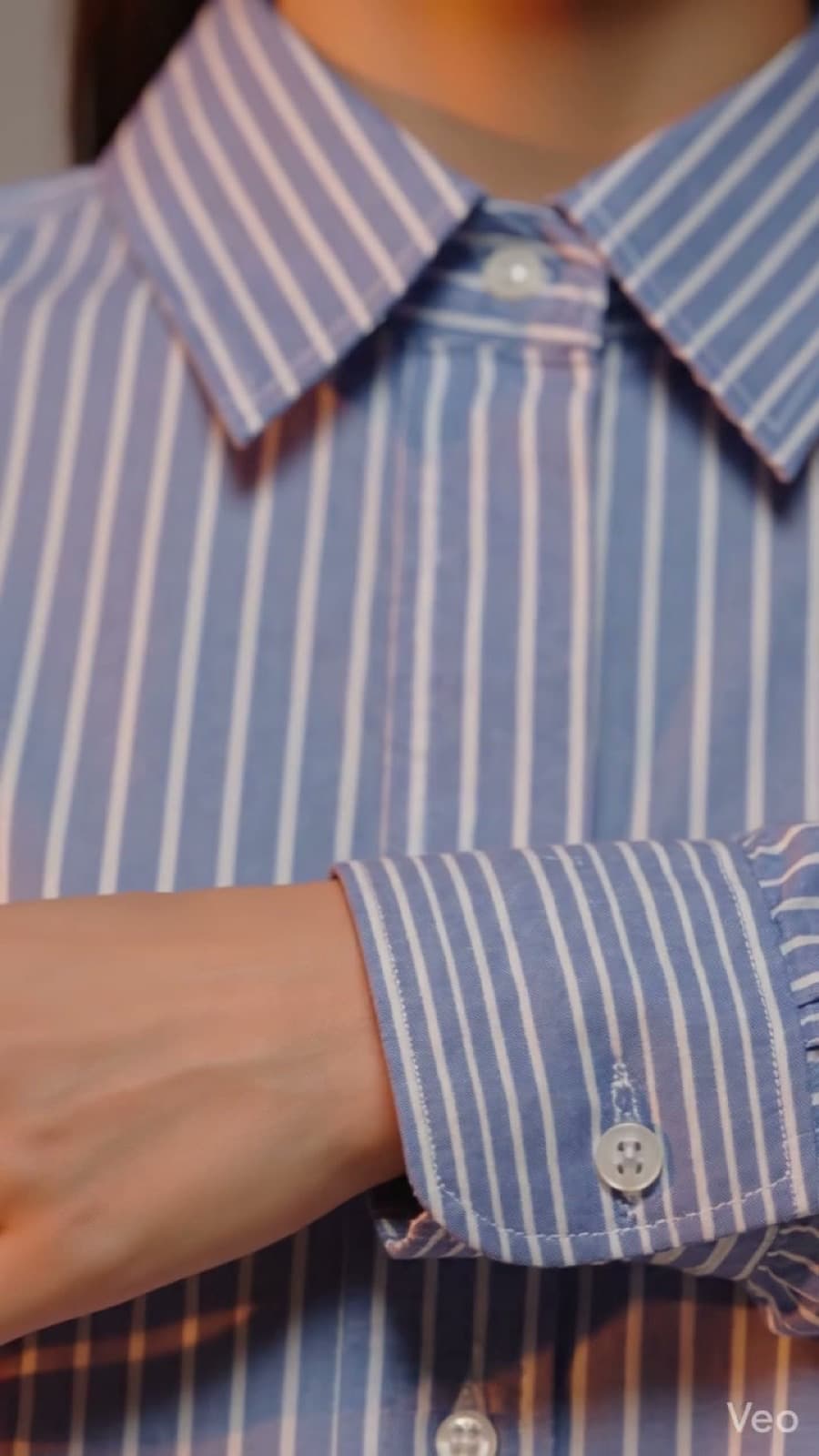
Study 03 · Reference to Motion
This study has no separate static AI output — I moved directly from the visual reference to a motion piece.
06
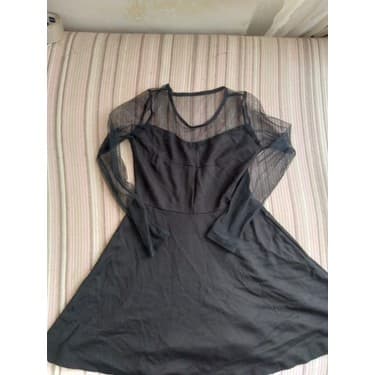
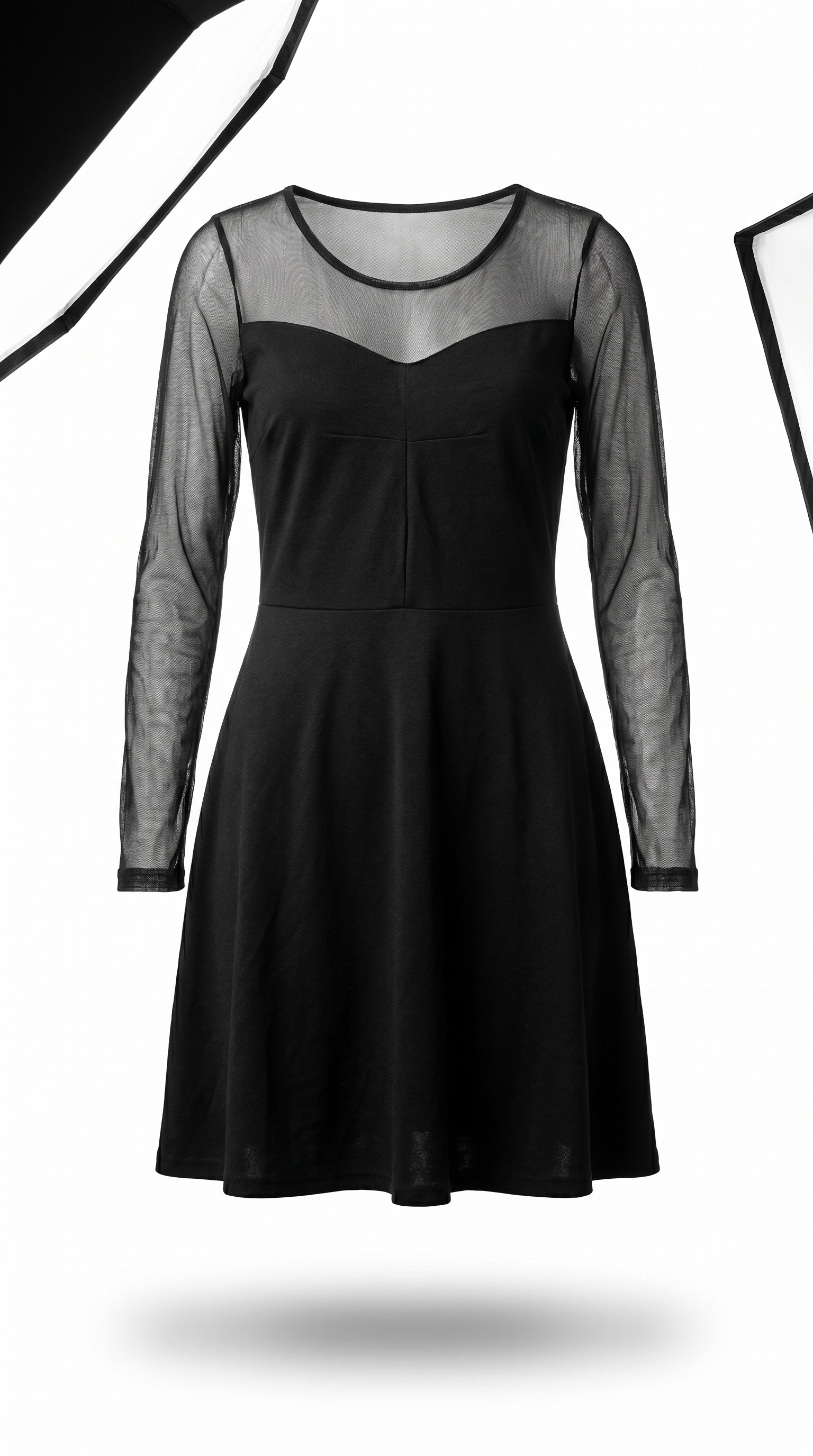
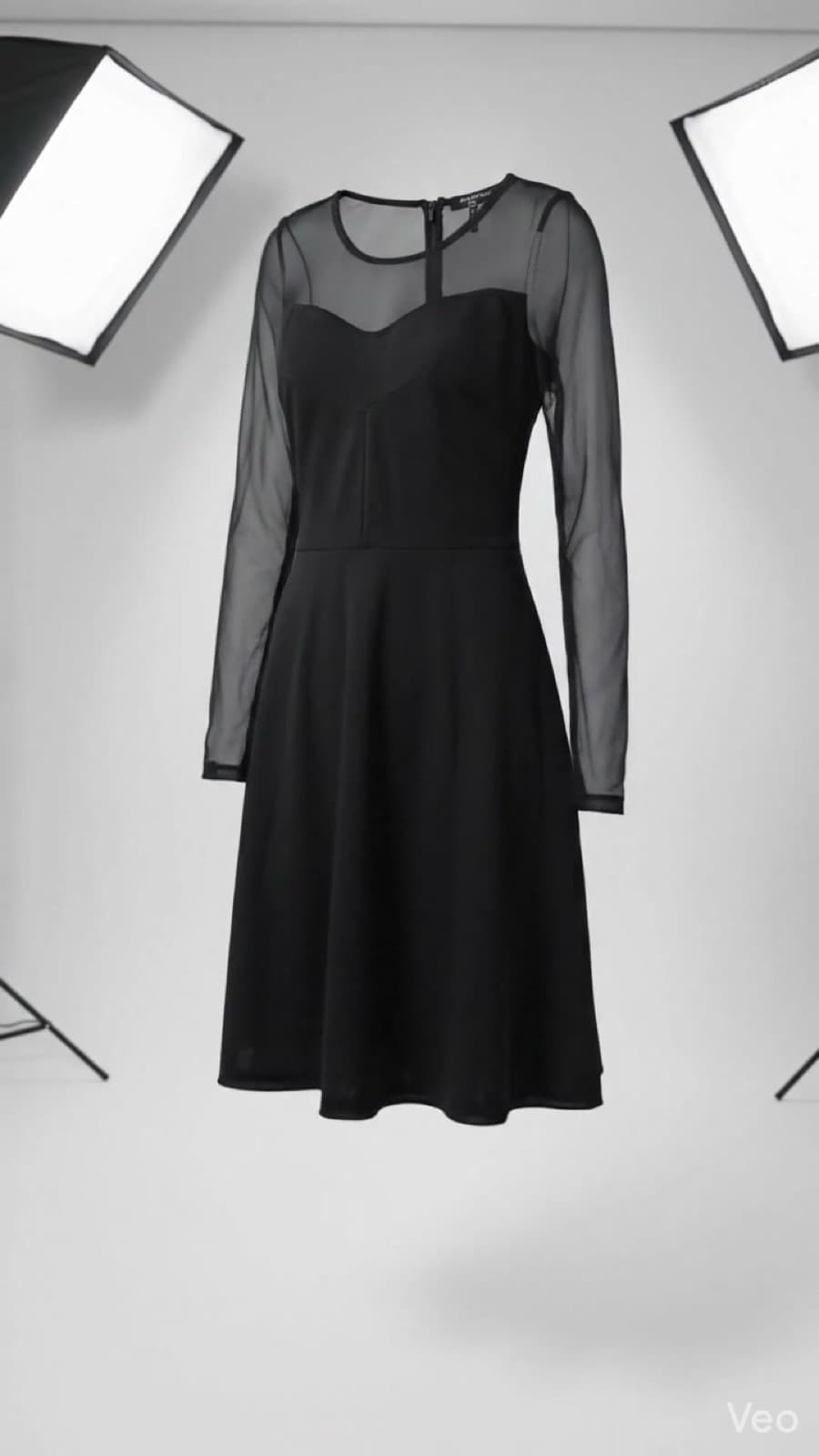
Study 04 · Product Focus
I recreated a real garment in the language of studio product photography. The motion piece focuses on the structure of the fabric.
07
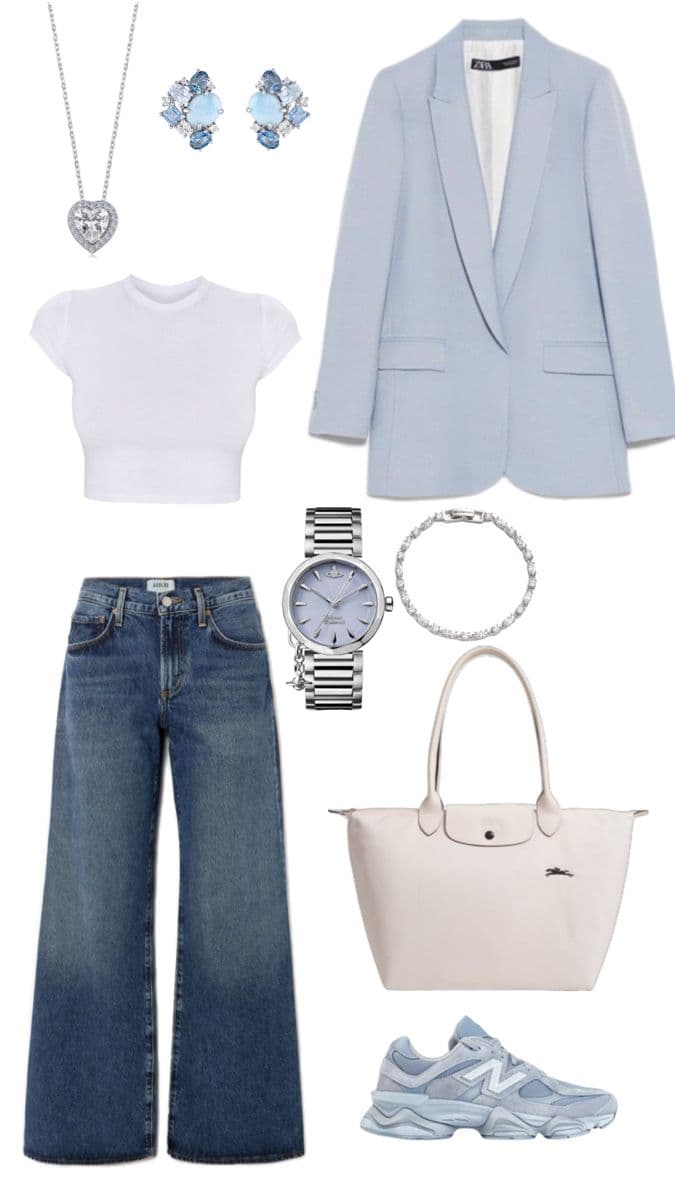
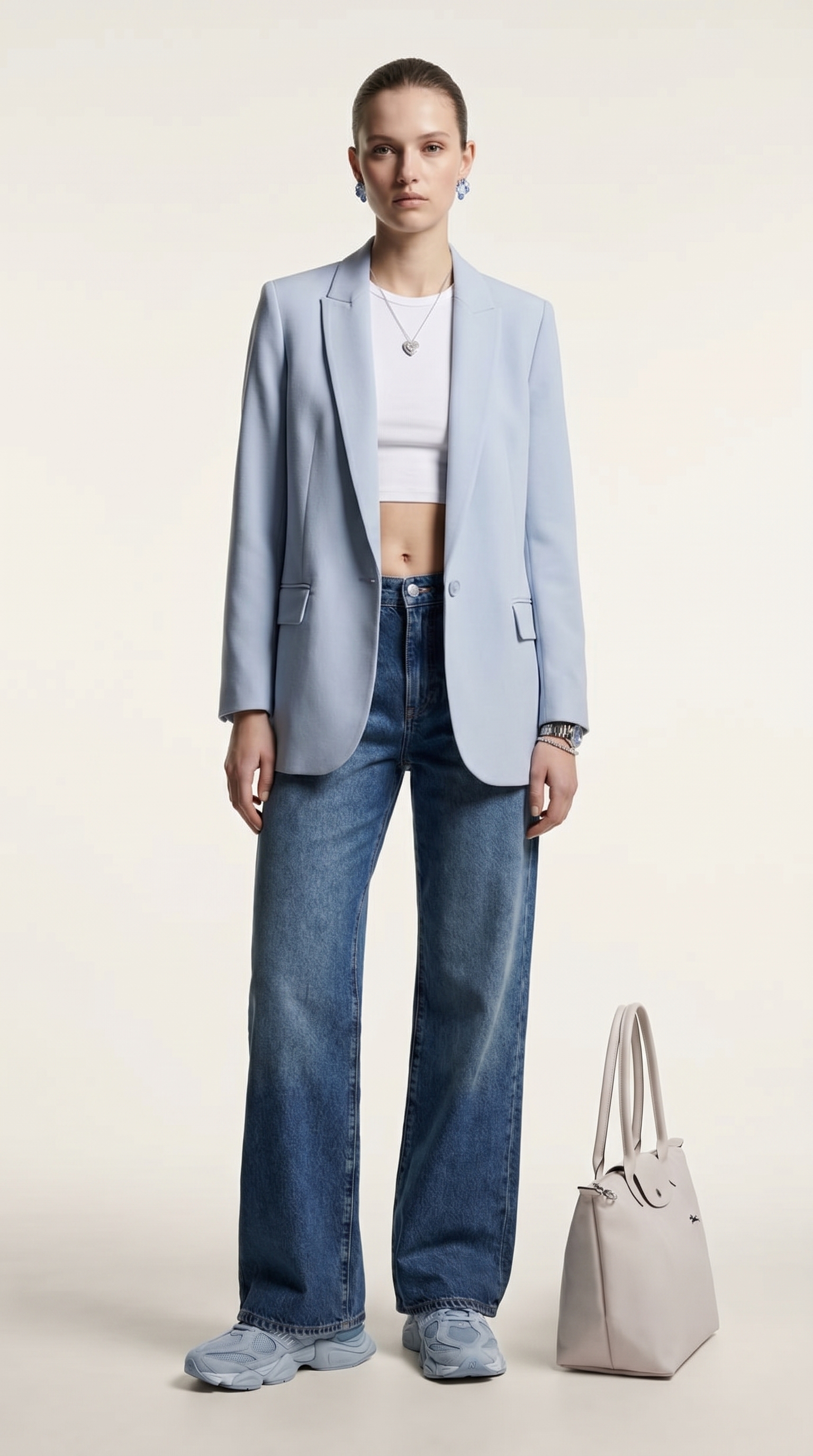
Study 05 · Studio Look
I rebuilt an outfit against a plain studio backdrop, with a clear product hierarchy.
08
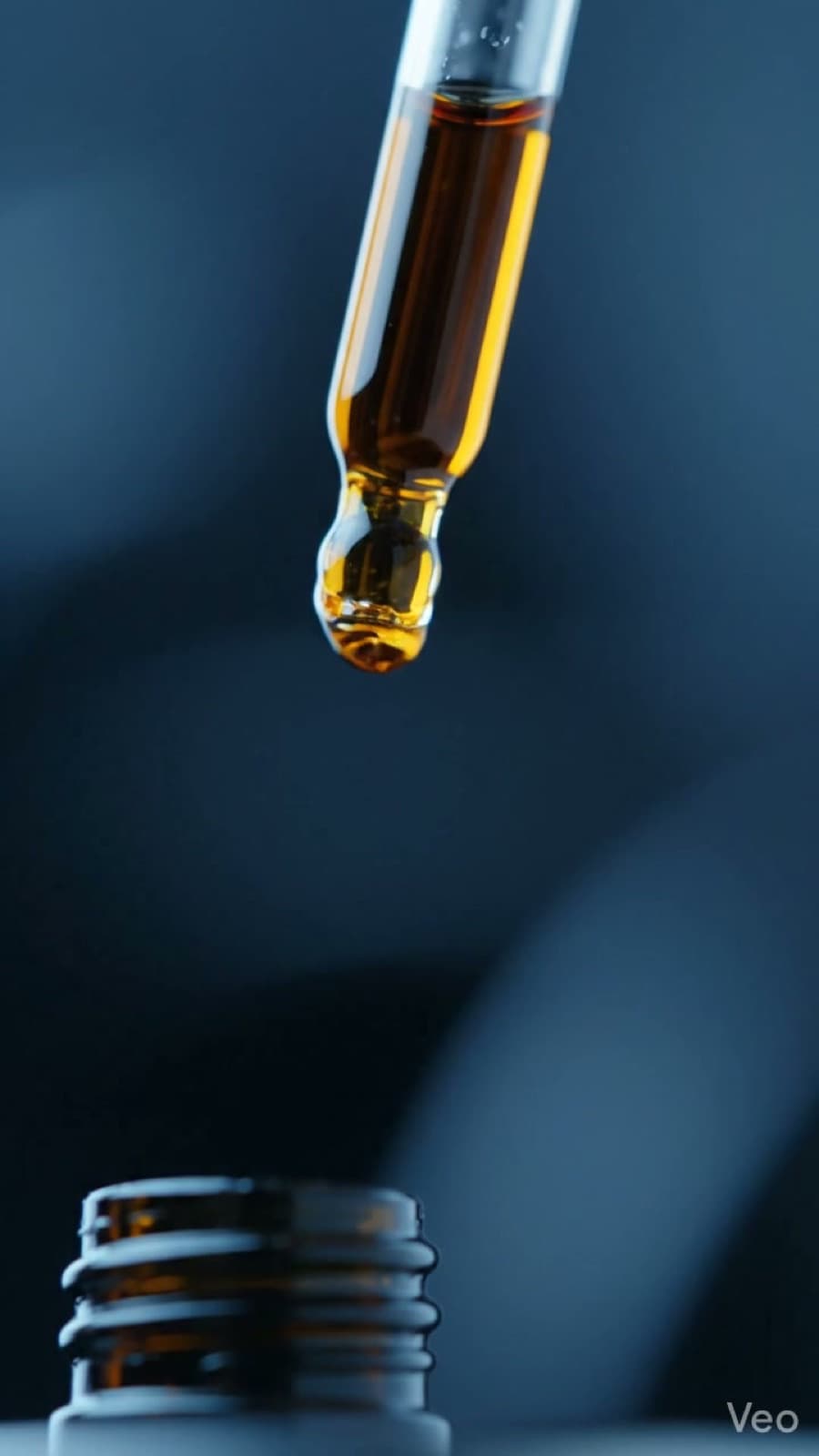
Study 06 · Product Detail
I captured a skincare bottle mid-drop to bring out the texture of the product.
09
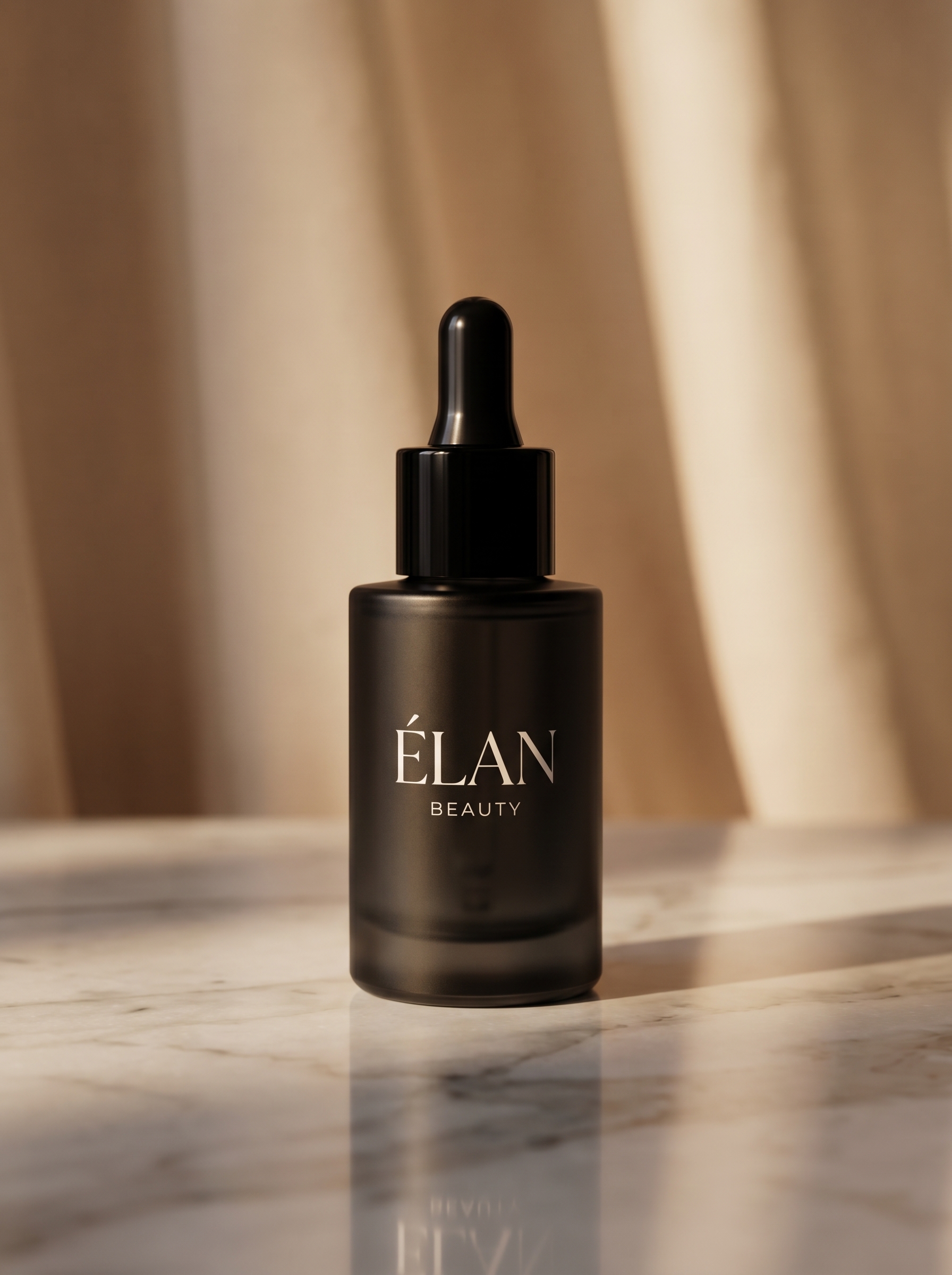
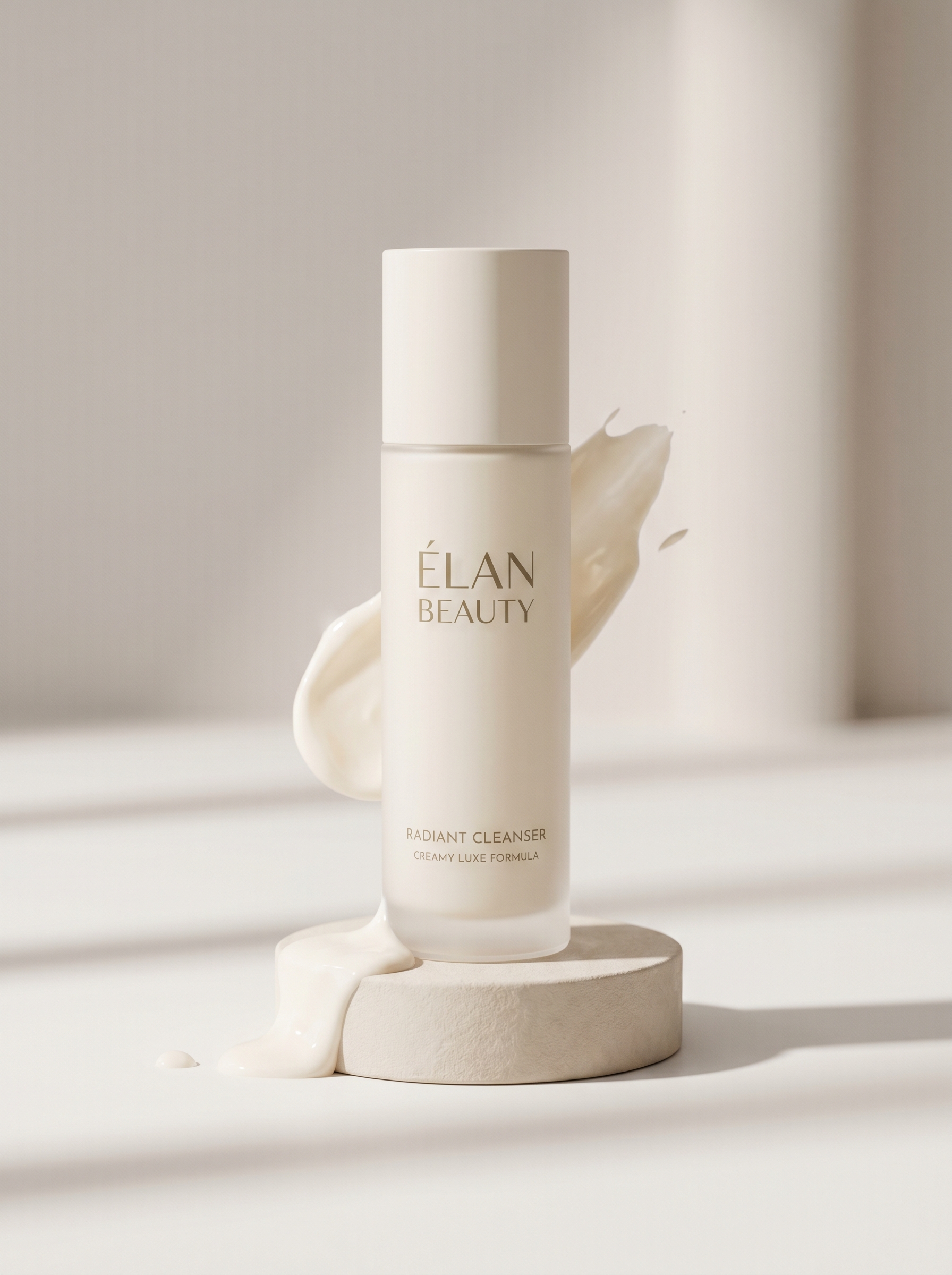
Study 07 · Light and Surface
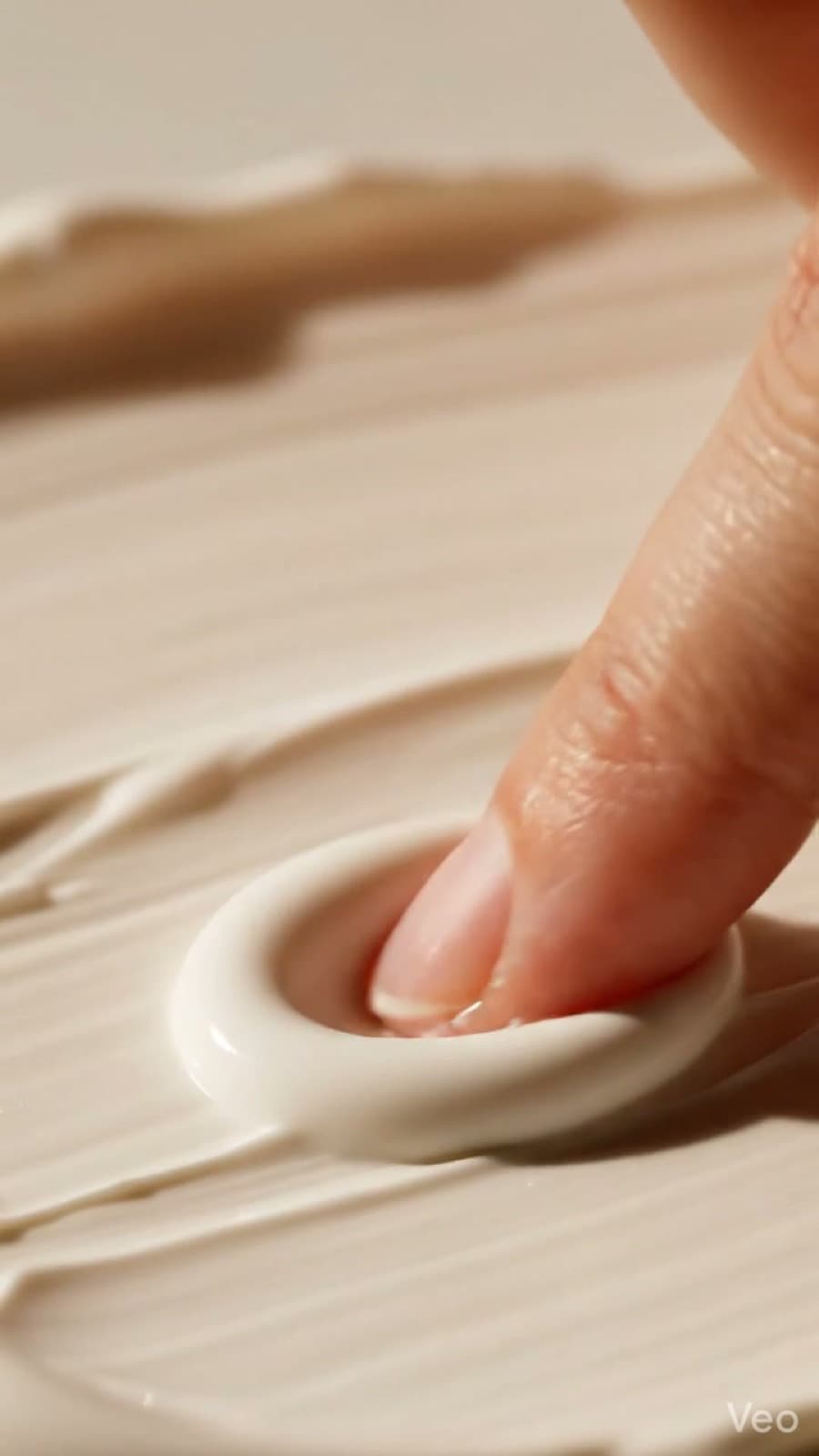
I rebuilt the same product in a different composition, using natural light and cream texture.
10
Study 08 · Texture and Droplet
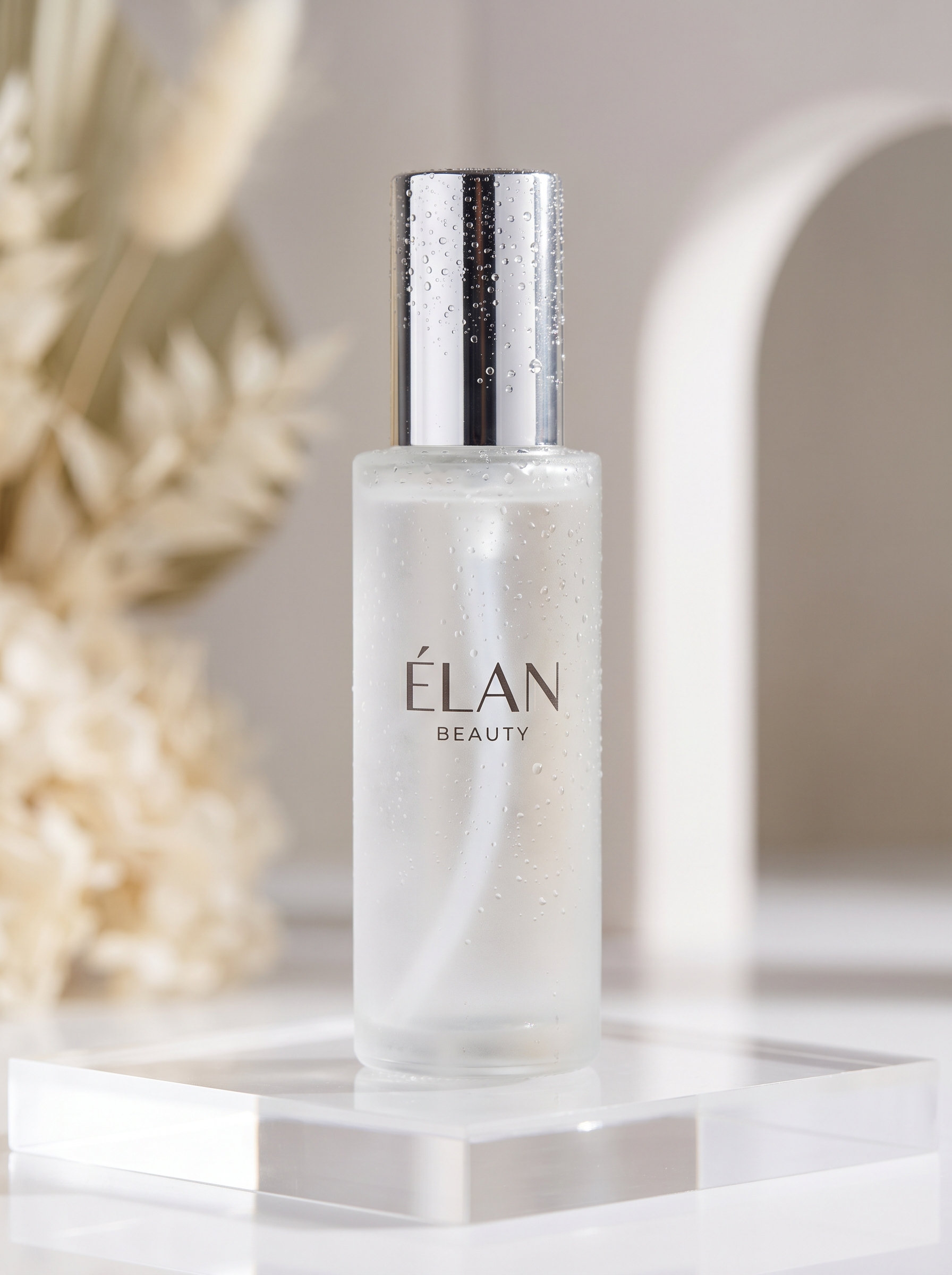
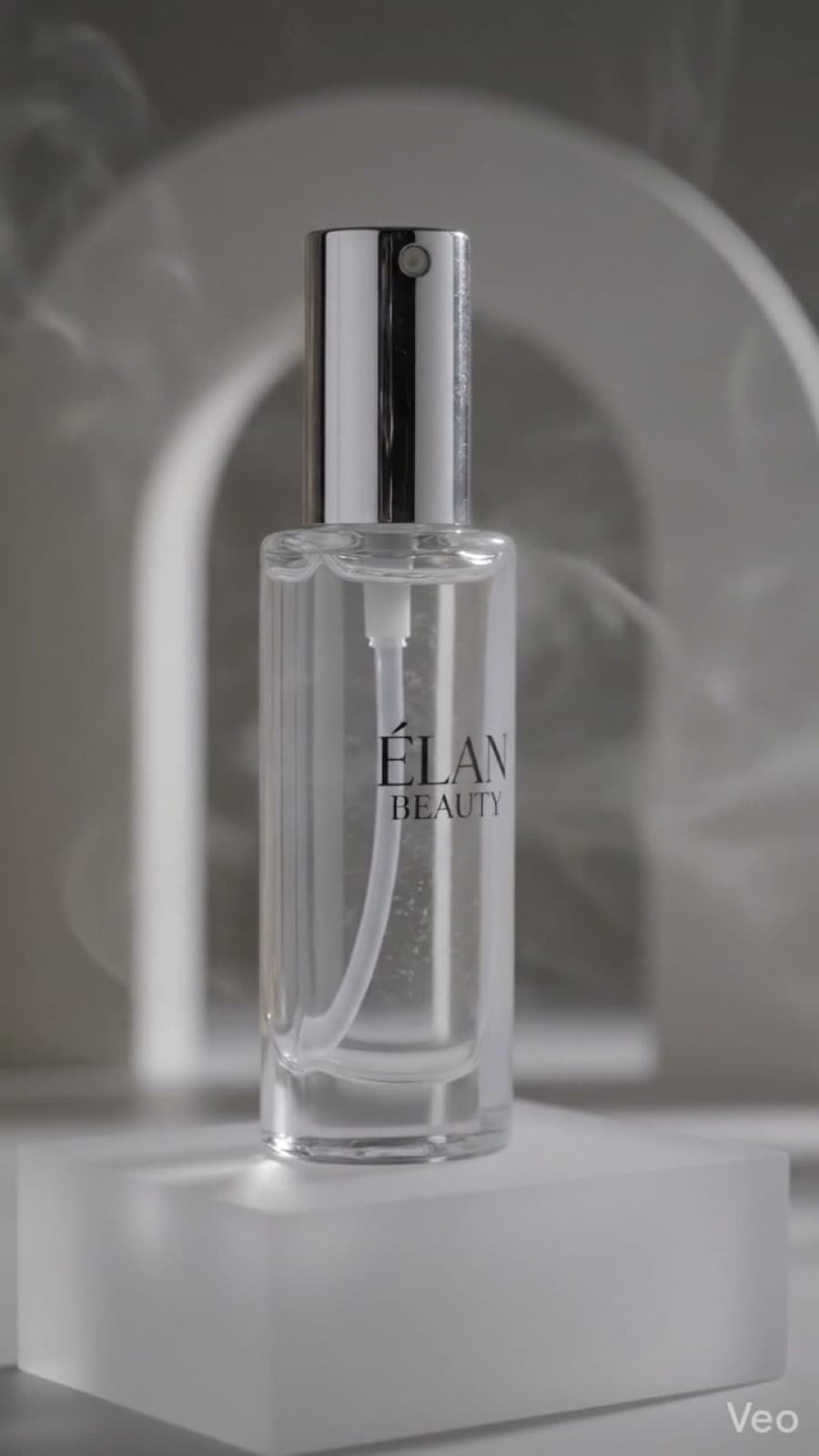
I placed the product in a cooler, more technical atmosphere built around water droplets and reflections.
11
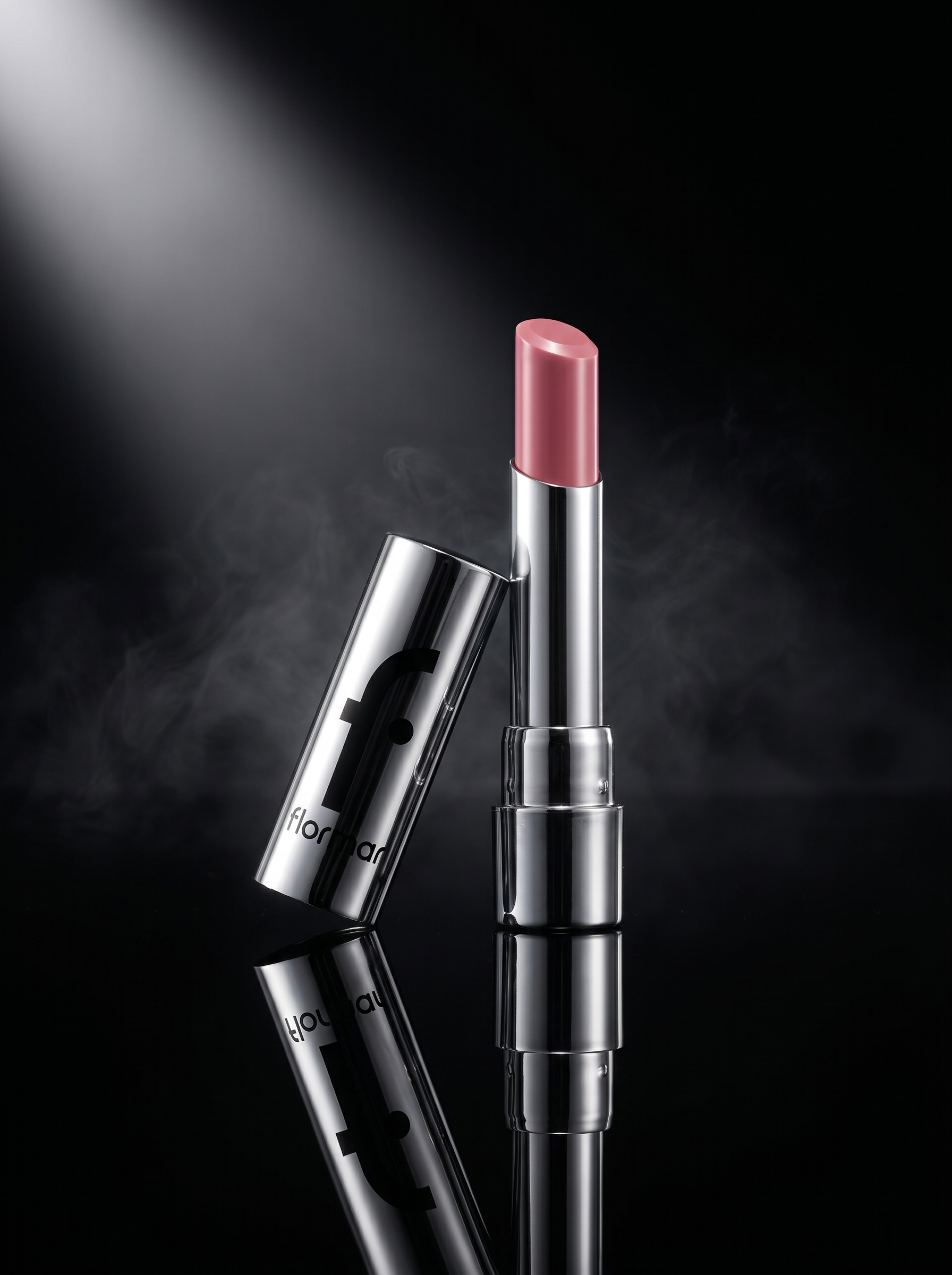
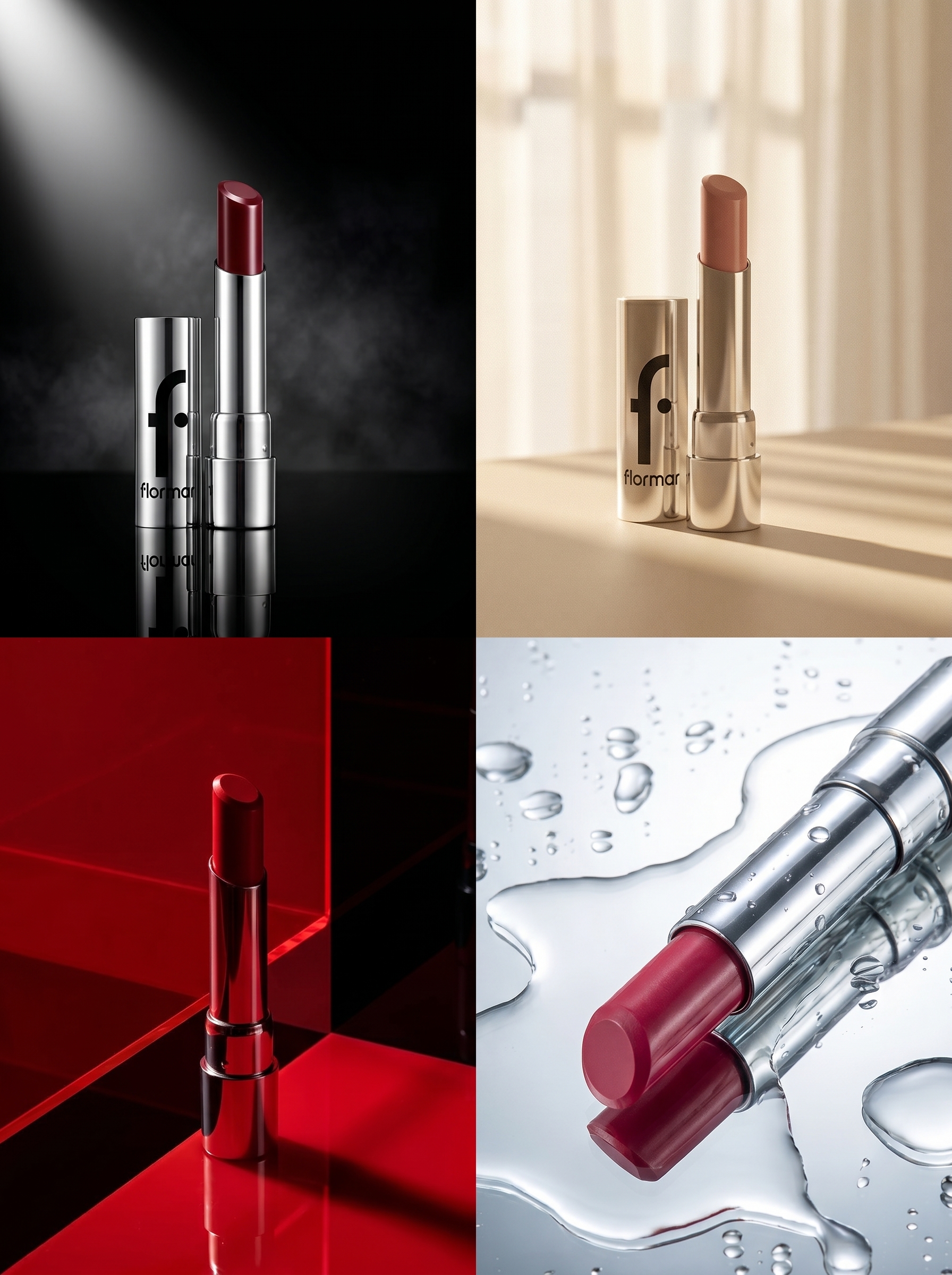
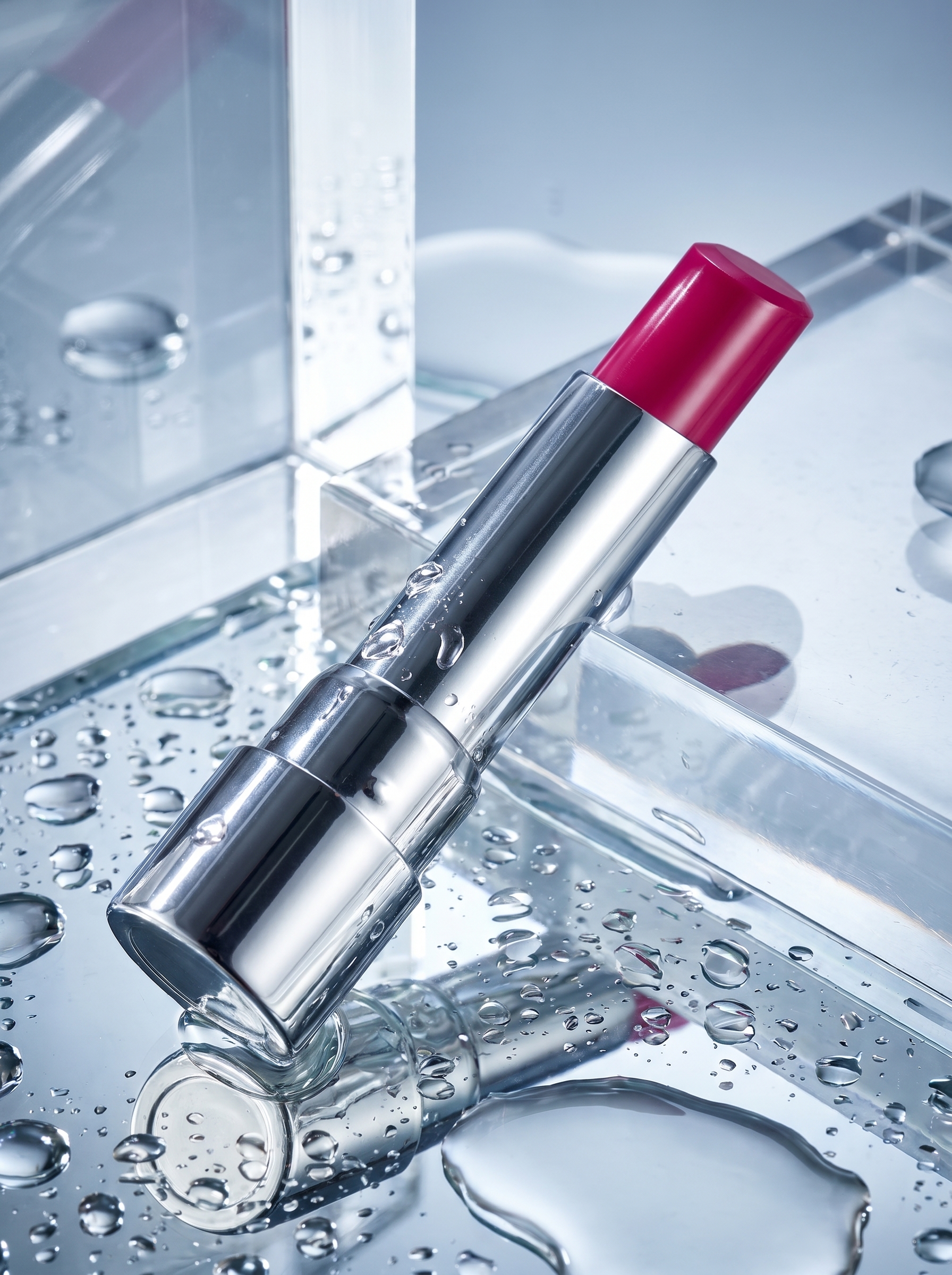
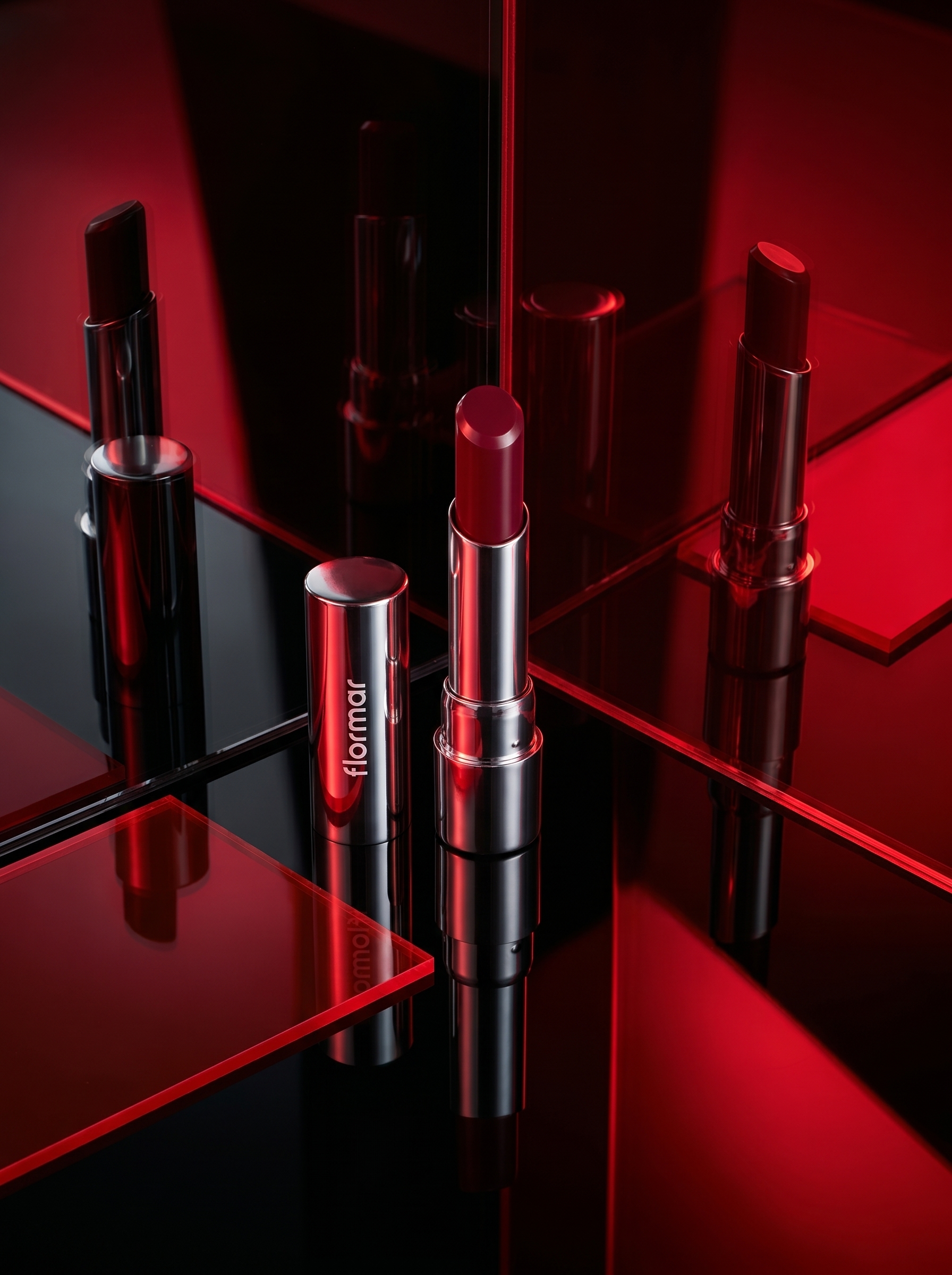
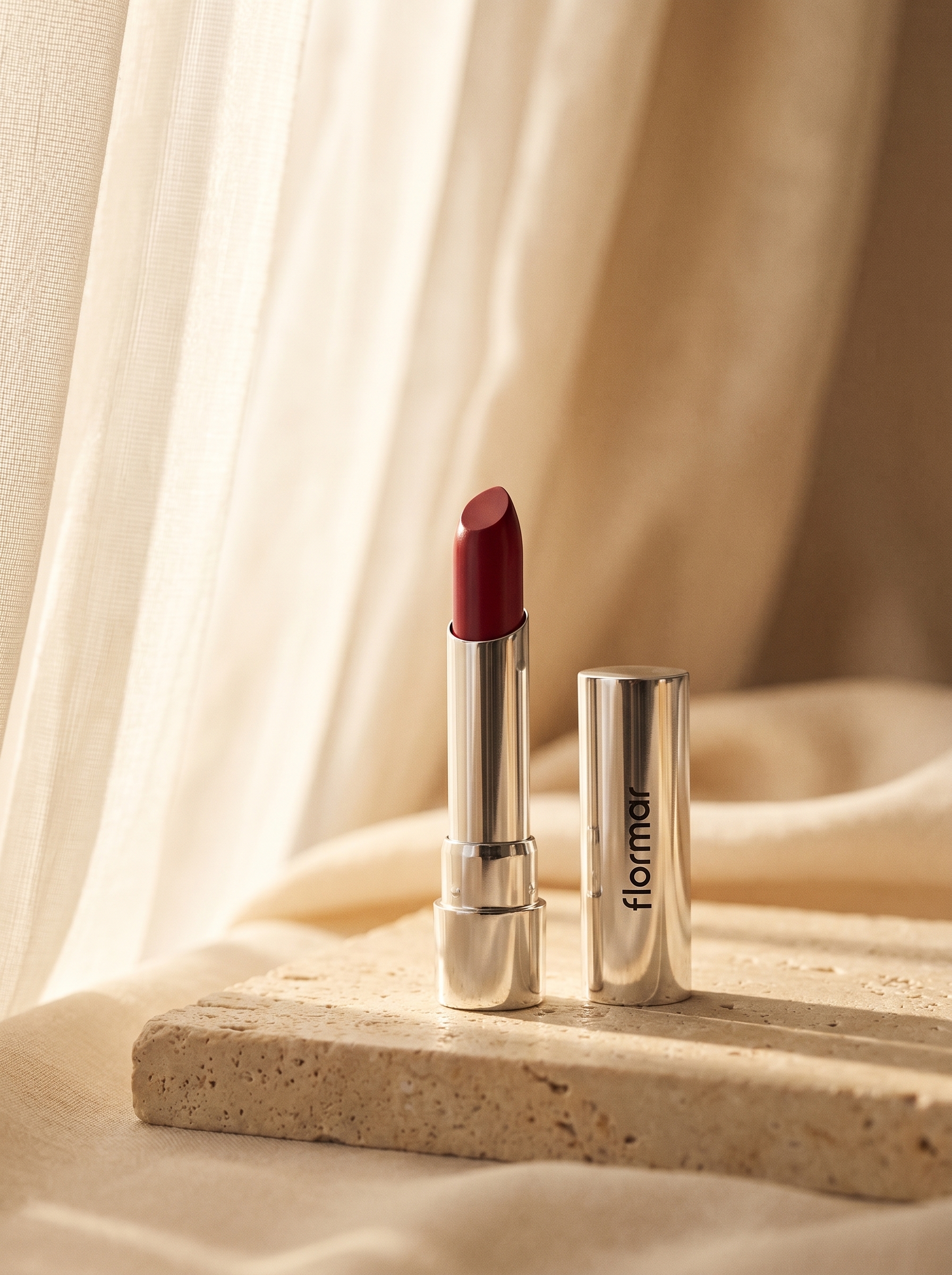
An editorial product series for lipstick
This part of the project reimagines an existing lipstick product through different lighting, surfaces and compositions. The aim was to preserve the product's visual identity while giving each image a distinct campaign atmosphere. Together, the five images form a cohesive editorial shoot developed around a single product.
12
Production process
- 01
Visual direction
I analyzed fashion and beauty references through composition, lighting, color and movement to establish a direction for each study.
- 02
Still generation
I developed new campaign imagery with Nano Banana and evaluated the visual relationship between product, material, model and environment.
- 03
Selection and refinement
I selected the outputs that communicated each idea most clearly and removed results that disrupted visual consistency.
- 04
Motion direction
For selected frames, I defined camera movement, scene pacing and product behavior to develop short videos with Google Veo.
13
Key decisions
Not turning every image into motion
I animated only the frames where movement strengthened the idea, allowing other studies to remain part of the still-image series.
Directing movement for each scene
Instead of applying one video formula, I redefined camera and product movement around the composition of each image.
Treating selection as part of production
Rather than displaying every output, I focused on choosing the strongest and most visually coherent results.
Separating reference from output
I kept visual references used during research separate from published work and included only my own still and motion outputs in the portfolio.
14
Outcome
The resulting series demonstrates how still-image production and motion content can be developed together within the same creative process across fashion and beauty. The project brings product-led frames, model-focused studies and material-driven movement into one portfolio case study.
15
What I learned
These studies showed me that a successful motion result depends not only on the instruction given to the tool, but also on selecting the right starting frame. Some images were stronger as stills, while others gained meaning through fabric, light or camera movement. I learned that editing, selecting the right frame and directing movement around the structure of each image are just as important as generation itself.
Next project
← Previous: LEGO Wear
A privacy-focused camera app that combines front and rear cameras in the same capture with PIP, split-screen, extended zoom and separate saving options.